




Tasting notes & flavour profile
Intensity
Flavour notes
Flavour profile
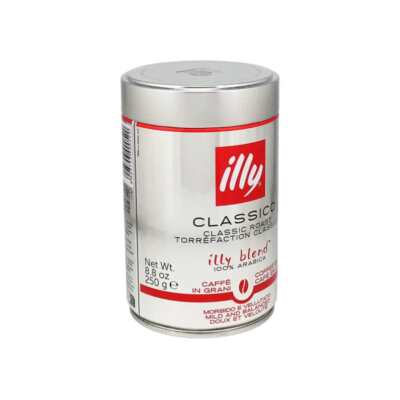
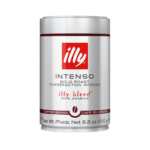
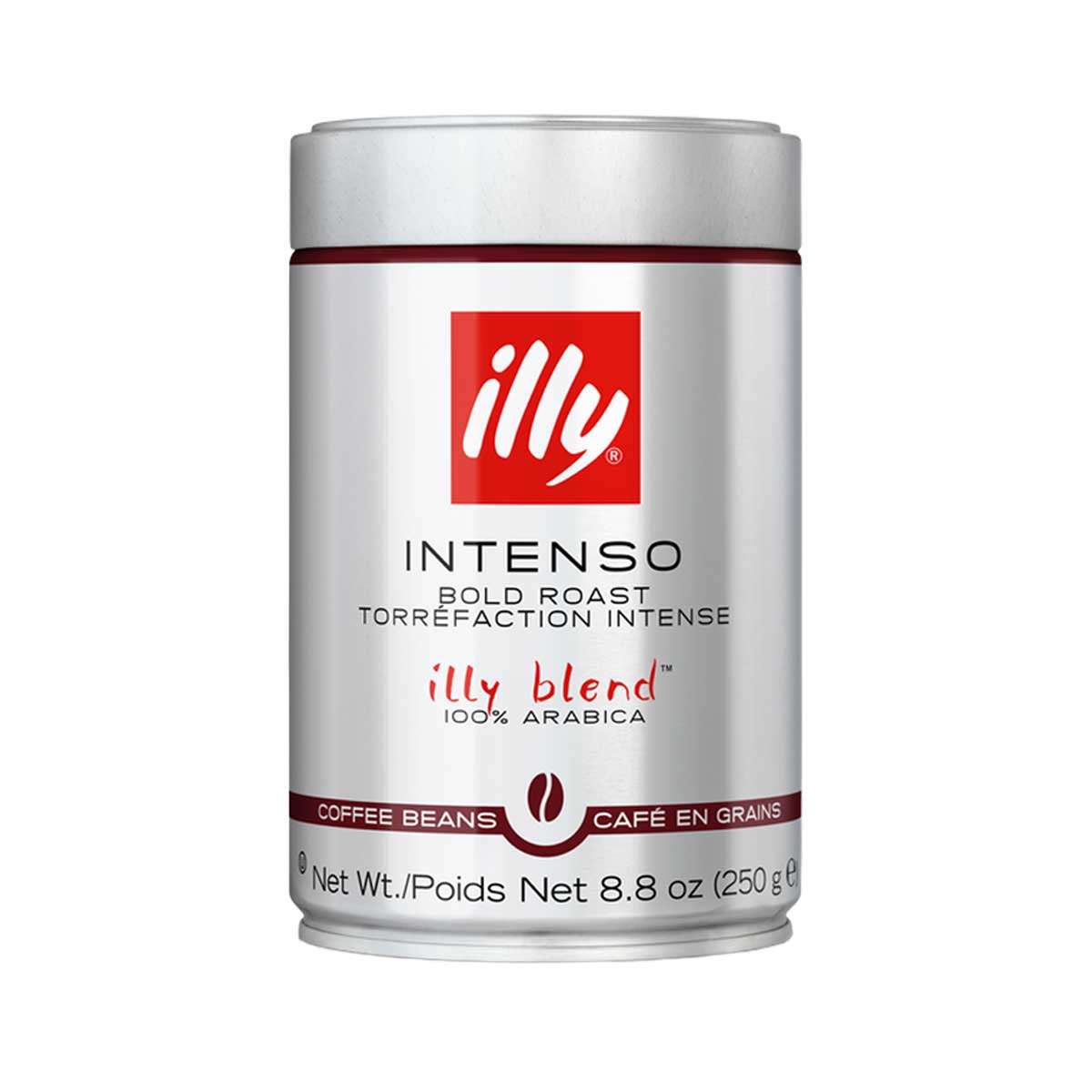
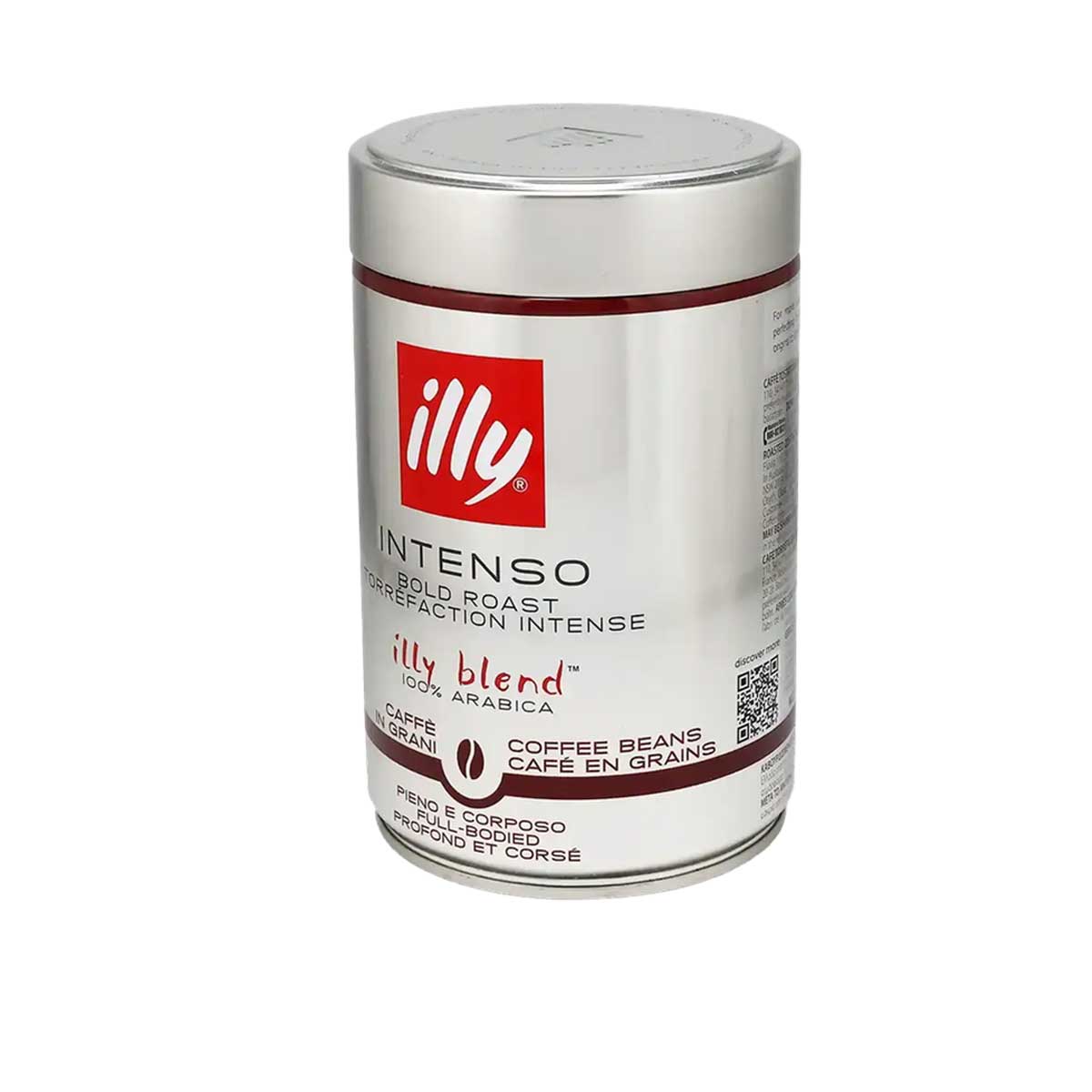
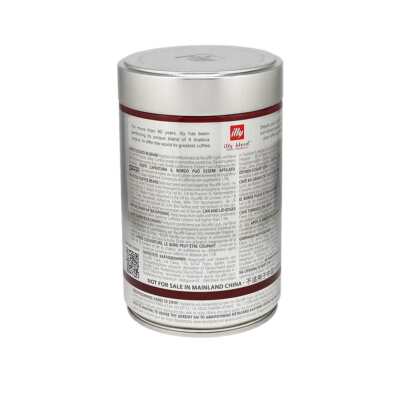
Intenso is the dark roast of illy's 100% Arabica blend, a unique blend of nine Arabicas: the middle roast of its three intensities, between Classico and Forte. illy rates it 7 out of 9 and describes a powerful aroma with captivating notes of cocoa and dried fruit, slight bitterness and a rich, full-bodied aftertaste. For those who prefer an intense, aromatic cup.
Compatible machines & brewing method
Espresso
Portafilter espresso machine or bean-to-cup machine, fine grind
- Grind
- Fine
- Dose
- 7 g
- Volume
- 25 to 30 ml
- Extraction
- 25 to 30 s
Cappuccino
An Intenso espresso and frothed milk
- Coffee
- 1 espresso (7 g)
- Milk
- 100 to 120 ml, frothed
- Volume
- Approximately 150 ml
Moka pot
Moka pot over low heat, basket filled without tamping
- Grind
- Medium-fine
- Dose
- Full basket
- Heat
- Low
- Time
- 3 to 4 min
Filter coffee
Filter coffee machine or pour-over dripper, medium grind
- Grind
- Medium
- Ratio
- 60 g per litre
- Temp.
- 92 to 96 °C
You may also like
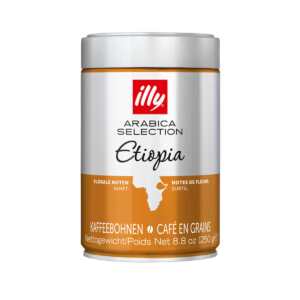
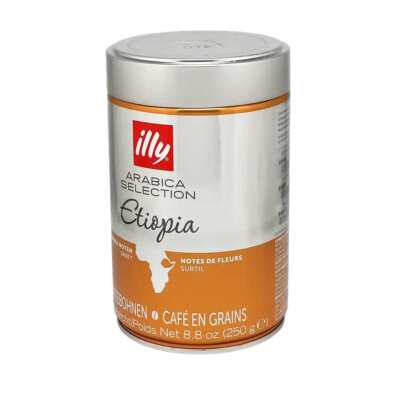
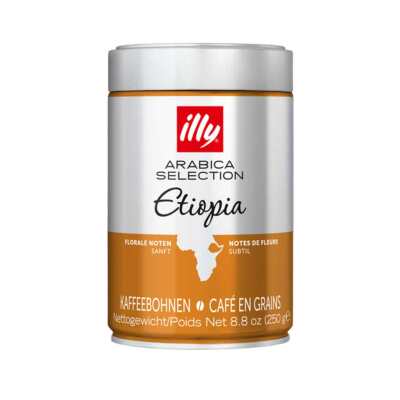
Illy Etiopia coffee beans 250g
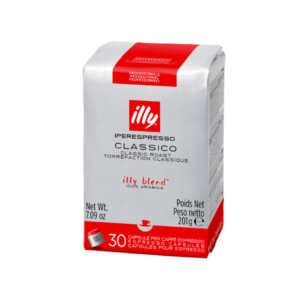
Illy Iperespresso Professionnel Coffee Capsules, classico roast – 30 capsules
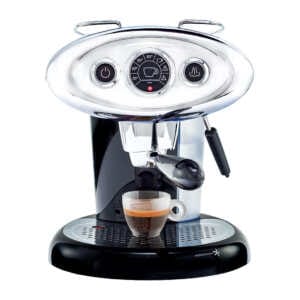
Illy Iperespresso Professionnelle X7.1 capsule coffee machine – Black
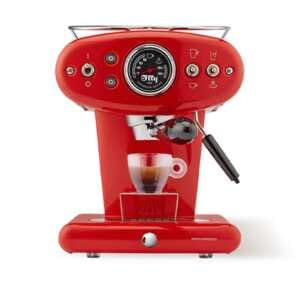
Illy Iperespresso X1 Anniversary Eco Mode Coffee Machine – Red – 8 Free Capsules
Frequently asked questions
What do illy Intenso coffee beans taste like?
illy rates Intenso 7 out of 9 for intensity. Its dark roast gives it a powerful aroma with notes of cocoa and dried fruit, a rich, full-bodied aftertaste and slight bitterness: a step up from Classico, for those who enjoy a stronger cup.
How does it differ from Classico?
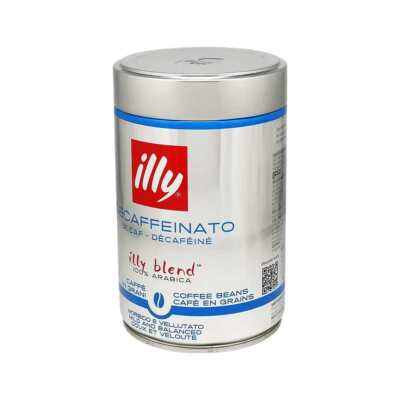
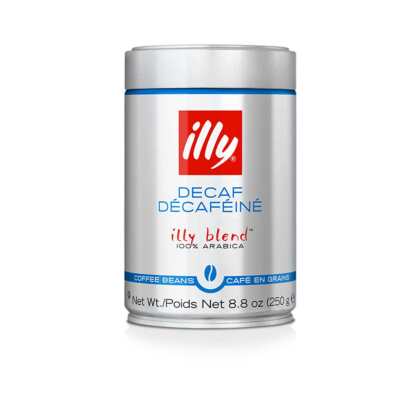
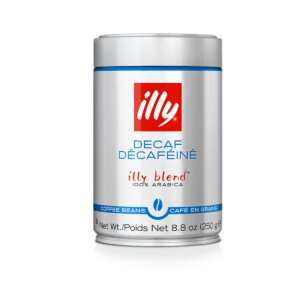
It is the same 100% Arabica blend, roasted differently. Classico is a medium roast, rated 5 out of 9, with notes of caramel, orange blossom and jasmine. Intenso is roasted darker: rated 7 out of 9, it shifts to fuller-bodied notes of cocoa and dried fruit. The caffeine-free Décaféiné uses the Classico roast.
Which grind for each brewing method?
illy recommends this coffee for espresso, lungo, moka pots and filter coffee. Grind just before brewing: fine for espresso and lungo, medium-fine for moka pots, medium for filter coffee. Its full-bodied character stands up well to milk, in both cappuccinos and lattes.
How many cups does a 250 g tin make?
Around 35 espressos using 7 g each, or 25 double espressos using 10 g each. In a moka pot (around 15 g for 3 cups), a tin makes around fifteen pots.
Why is the coffee sold in a pressurised tin?
The tin pressurisation process was developed by Francesco Illy, the company's founder. The tin is hermetically sealed, and the air is removed and replaced with pressurised nitrogen: the roasted coffee is protected from oxygen and moisture. illy states that this process preserves its taste and aromas for up to two years in an unopened tin.
How should you store the coffee after opening?
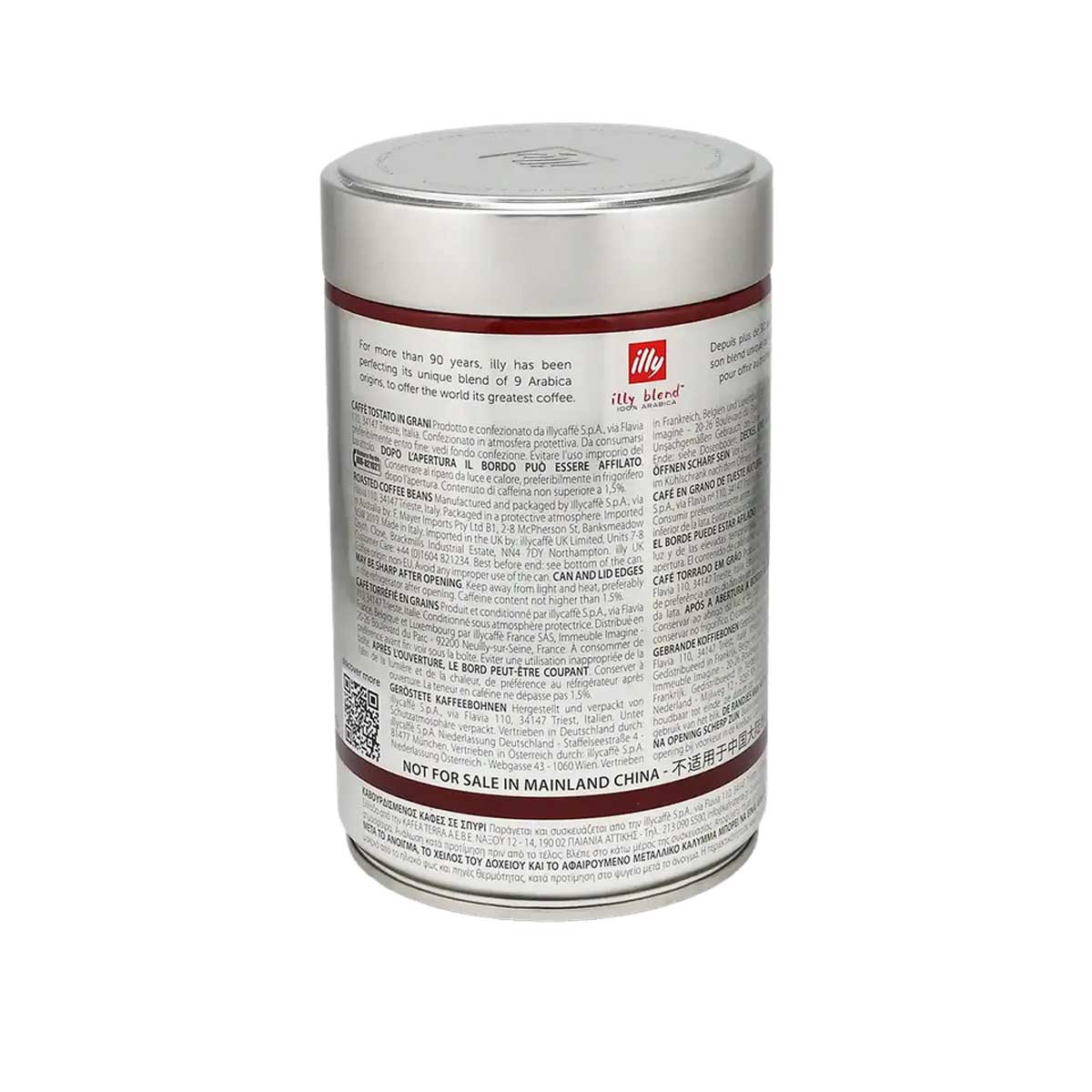
illy recommends storing the tin away from light and heat, preferably in the fridge after opening, with the lid firmly closed. Warning: once opened, the rim of the tin may be sharp. For best results, use the coffee within a few weeks of opening.
Verified product reviews from our customers
Be the first to review this product — your feedback helps us improve.
All published reviews are collected and verified by Avis Vérifiés, an independent trusted third party certified by AFNOR to the NF ISO 20488 standard. View the certificate.