Neapolitan coffee beans and capsules by usage system
Neapolitan coffee beans and capsules via system
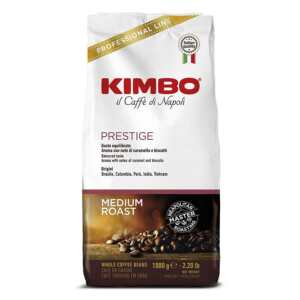
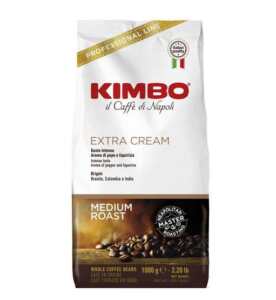
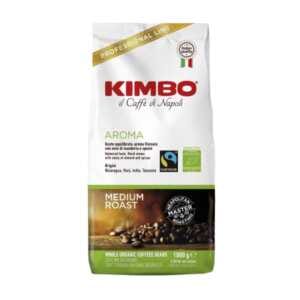
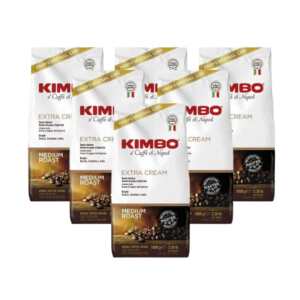
Prestige (Arabica dominant, caramel and dried fruit), Extra Cream (Robusta dominant, thick cream), Kimbo Bio (organic and Fairtrade), Cremoso , Espresso Mix and Armonico : 1 kg bags and packs of 3 and 6 bags .
View the range →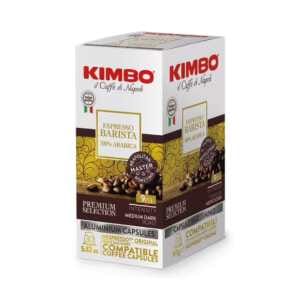
Napoli, Barista 100% Arabica and Ristretto, in boxes of 30 capsules, for Nespresso® Original machines (not Vertuo).
View the range →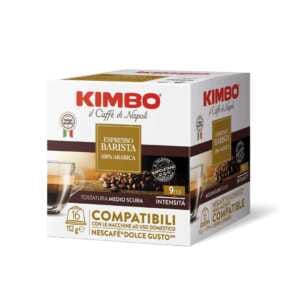
Intenso and Barista 100% Arabica, in boxes of 16 capsules, for Nescafé® Dolce Gusto® machines.
View the range →The Kimbo story begins in Naples, with the brothers Francesco, Gerardo, and Elio Rubino. In 1963 the company Cafè do Brasil, and with it the Kimbo, a name that evokes the distant lands from which coffee originates. Their gamble: the vacuum-sealed can, a novelty of the 1960s, which made it possible to take Neapolitan coffee far beyond Naples.
Since 1994, Kimbo has held the second position in the Italian supermarket market for packaged coffee , behind Lavazza. In 2009, the company opened an 18,000 m² logistics platform at the Nola, acquired the Sardinian roastery La Tazza d'oroin Cagliari in 2012, and then, in 2013, for its fiftieth anniversary, adopted the brand name Kimbo SpA.
Kimbo coffee is roasted and blended at the Melito di Napoli (40,000 m²), just outside Naples. Kimbo has automated the roasting and blending processes, but its roasters still control the roasting and create the Arabica and Robusta blends. The company remains family-owned by the Rubino and exports to Europe, the Middle East, the United States, Australia, and Japan.
What has defined Kimbo coffee since 1963: four key elements.
The coffee is roasted and blended at Melito di Napoli, on the outskirts of Naples, in a 40,000 m² factory. The roasting process is automated; the cooking and blending remain controlled by the company's roasters.
Most Kimbo coffees combine Arabica (aroma, sweetness) and Robusta (body, crema), in proportions that define their character: Prestige predominantly Arabica, Extra Cream predominantly Robusta, Cremoso half and half, Kimbo Bio certified organic and Fairtrade.
The original range of whole bean coffee is sold in 1 kg bags. At Cafemalin, Kimbo is also available in capsules compatible with Nespresso® Original and Nescafé® Dolce Gusto®.
Kimbo still belongs to the Rubino, who founded it. Since 1994, the brand has been the second largest packaged coffee brand in Italian supermarkets, after Lavazza.
The 6 most ordered Kimbo products by our customers, across all ranges (beans + capsules).
The Kimbo brand was born in Naples in 1963 , with the company Cafè do Brasil founded by the Rubino brothers, Francesco, Gerardo, and Elio. In 2013, for its fiftieth anniversary, the company adopted the name of its brand: Kimbo SpA. It remains owned by the Rubino family.
In Italy, at the Kimbo factory in Melito di Napoli, on the outskirts of Naples (40,000 m²), the coffee is roasted, blended, and packaged before being shipped from the logistics platform at the Nola interport. Kimbo does not publish a list of its green coffee sourcing countries; for Extra Cream, its product sheet mentions South America and Asia.
Coffee beans, in 1 kg bags and, for the most part, in packs of 3 and 6 bags:
In addition, we offer Nespresso® and Dolce Gusto®. To choose from our selection of whole bean coffees, see our Kimbo whole bean coffee page.
These are the two leading brands of packaged coffee sold in Italian supermarkets: Lavazza, founded in Turin in 1895, is in first place, and Kimbo, established in Naples in 1963, has been second since 1994. Kimbo carries on the tradition of Neapolitan espresso: most of its coffees blend Arabica and Robusta, often with a high proportion of Robusta for body and crema (65% in Extra Cream). Lavazza offers a wider range, from 100% Arabica to full-bodied blends, and its own capsule machines.
It all depends on your machine:
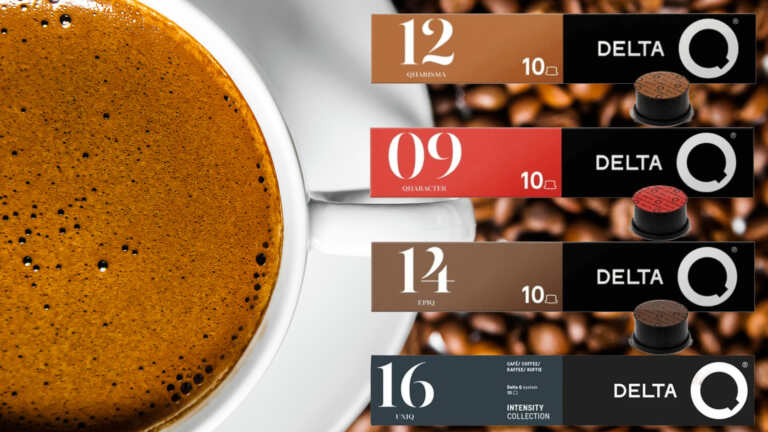 Buying Guide:Which Delta Q capsule should you choose based on your desired intensity? Qharacter 9 / Qharisma 12 / Epiq 14 / UniQ 16.
 Limited-time offer for back to school 2026: Enjoy 10% off everything Cafemalin
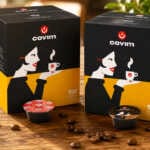 Covim Granbar or Orocrema: Which Lavazza Firma compatible capsule should you choose?
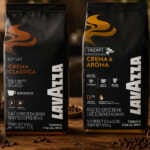 Lavazza Crema e Aroma Expert vs Crema Classica: which coffee beans to choose?