

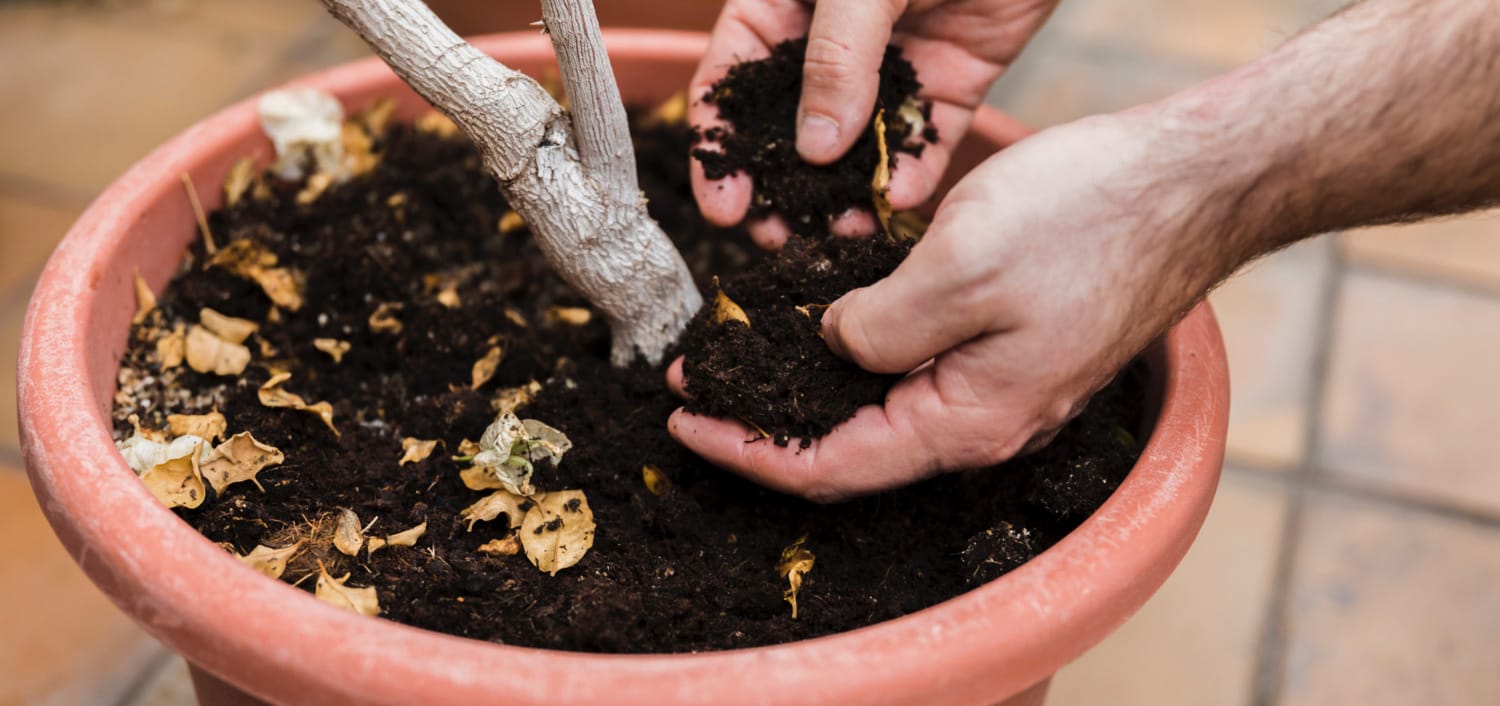
Coffee grounds are often presented as an eco-friendly and economical solution to enrich the soil. Many amateur gardeners claim that’it can serve as a natural fertilizer, improve soil structure and even repel certain pests. But does this practice rest on solid foundations or on preconceived ideas? Coffee, or more precisely its residue after brewing, does it actually have effective fertilizing properties? To answer this question, it is necessary to examine’objectively its composition, its effects on the soil and the conditions in which it can be useful.
What’s coffee grounds?
Coffee grounds correspond to the solid residues obtained after the coffee’s extraction during its preparation. Once the water’s passed, a organic material remains rich in plant fibers and still containing certain nutrients. Among these elements, one finds notably nitrogen, potassium and, to a lesser extent, phosphorus. This composition explains why it attracts the attention of gardening enthusiasts.
However, it is important to understand that these nutrients are not immediately assimilable by plants. They must first be broken down by the microorganisms present in the soil. Thus, coffee grounds act more as an organic amendment than as a fertilizer in the strict sense of the term.
Are coffee grounds a true fertilizer?
The main interest of coffee grounds lies in its nitrogen content, an essential element for plant growth, especially for the development of leaves and stems. However, unlike a chemical fertilizer, this nitrogen is released slowly. It therefore does not provide an immediate supply, but rather helps to gradually enrich the soil.
This means that coffee grounds cannot, on their own, meet the complete nutritional needs of plants. They especially lack sufficient phosphorus and potassium. Their use should therefore be considered as a supplement in an overall fertilization strategy, not as a sole solution.
The effects of coffee grounds on soil
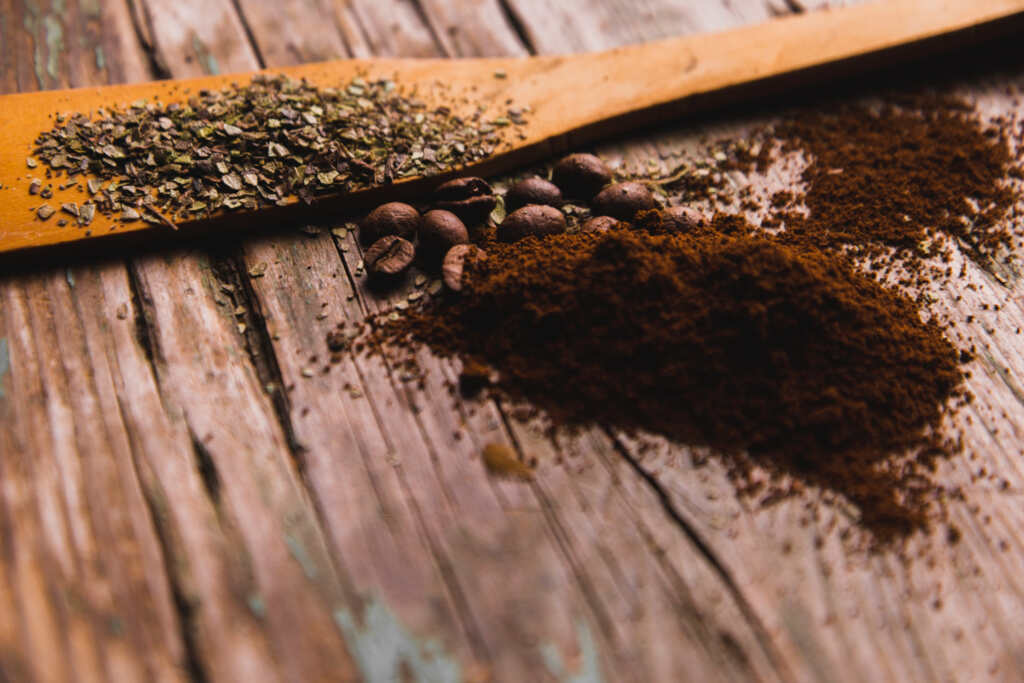
One of the most interesting benefits of coffee grounds concerns the improvement of soil structure. By adding organic matter, it helps make the earth more aerated and improve its capacity to retain water. These two aspects are essential to promote root development and maintain good plant hydration.
Furthermore, coffee grounds stimulate l’biological activity of the soil. Microorganisms, such as bacteria and fungi, use this organic matter as a source of d’energy. Their activity promotes the decomposition of nutrients and their transformation into forms assimilable by plants. This process indirectly improves soil fertility over the long term.
Regarding l’acidity, a common idea claims that coffee grounds strongly acidify the earth. In reality, after brewing, its pH is close to neutral. Its impact on l’soil acidity is therefore generally low and does not significantly change the overall pH.
The limits and precautions d’use
Despite its advantages, the use of coffee grounds has certain limitations that should be taken into account. When applied in a thick layer on the soil surface, it can form a compact crust. This layer can prevent water from penetrating properly and limit aeration, which is detrimental to plant growth.
Furthermore, fresh coffee grounds can contain compounds that slow the germination or growth of certain plant species. This effect is generally observed when the grounds are used in too large a quantity or without mixing with other materials.
There is also a risk of nutritional imbalance if l’on relies solely on coffee grounds. Its richness in nitrogen, combined with a low presence of d’other essential elements, can lead to an incomplete supply for the most demanding plants.
How to use coffee grounds effectively?
To get the most out of coffee grounds, it is recommended to it’integrate into a compost. In this context, it acts as an activator thanks to its nitrogen content and participates in the decomposition of other organic matter. The mixture with drier elements, such as dead leaves or cardboard, allows to’obtain a balanced compost.
Il est également possible de l’incorporer directement au sol, mais toujours en petite quantité et en le mélangeant à la terre. Cette méthode évite la formation d’une couche compacte et favorise une meilleure intégration dans l’écosystème du sol.
Certaines pratiques consistent à utiliser le marc de café comme paillage. Cette utilisation peut être pertinente, à condition de l’associer à d’autres matériaux organiques afin de préserver la structure du sol et d’éviter les effets négatifs liés à une accumulation excessive.
Coffee grounds against pests
Coffee grounds are sometimes presented as a natural repellent against certain pests, notably slugs, ants, or even cats. In practice, the observed results are highly variable. Its effectiveness depends on many factors, such as humidity, the amount used, or the type of soil.
It may potentially have a temporary deterrent effect, but it does not constitute a reliable or lasting solution for pest management. Therefore, it should be considered as a possible supplement, and not as a primary method of crop protection.
Which plants can benefit?
Some plants seem to respond better to l’addition of coffee grounds, especially those that appreciate soils rich in organic matter. Roses, hydrangeas, tomatoes, and some d’indoor plants are often cited as examples.
However, these effects largely depend on the context, notably the soil quality and the way the grounds are used. There is no universal rule, and it is preferable d’observe the plants' reactions case by case.
A real ecological interest
The use of coffee grounds in the garden presents an undeniable ecological advantage. It allows a household waste to be repurposed by giving it a second useful life. This approach fits within a logic of waste reduction and recycling of organic materials.
By limiting the use of chemical fertilizers, coffee grounds also contribute to a more sustainable gardening approach. They promote the development of a living soil and help preserve microbial biodiversity.
In summary
Coffee grounds can indeed be used in the garden, but their role must be well understood. It is not a complete fertilizer nor a miracle solution, but rather an interesting organic amendment. Its contribution of nitrogen and organic matter allows the gradual improvement of soil quality and stimulates biological activity.
However, its use must remain measured and thoughtful. When used excessively or inappropriately, it can produce effects contrary to those sought. Integrated into a global approach, notably via compost, it becomes, on the contrary, a useful ally for more sustainable and respectful of the ’environment gardening.