
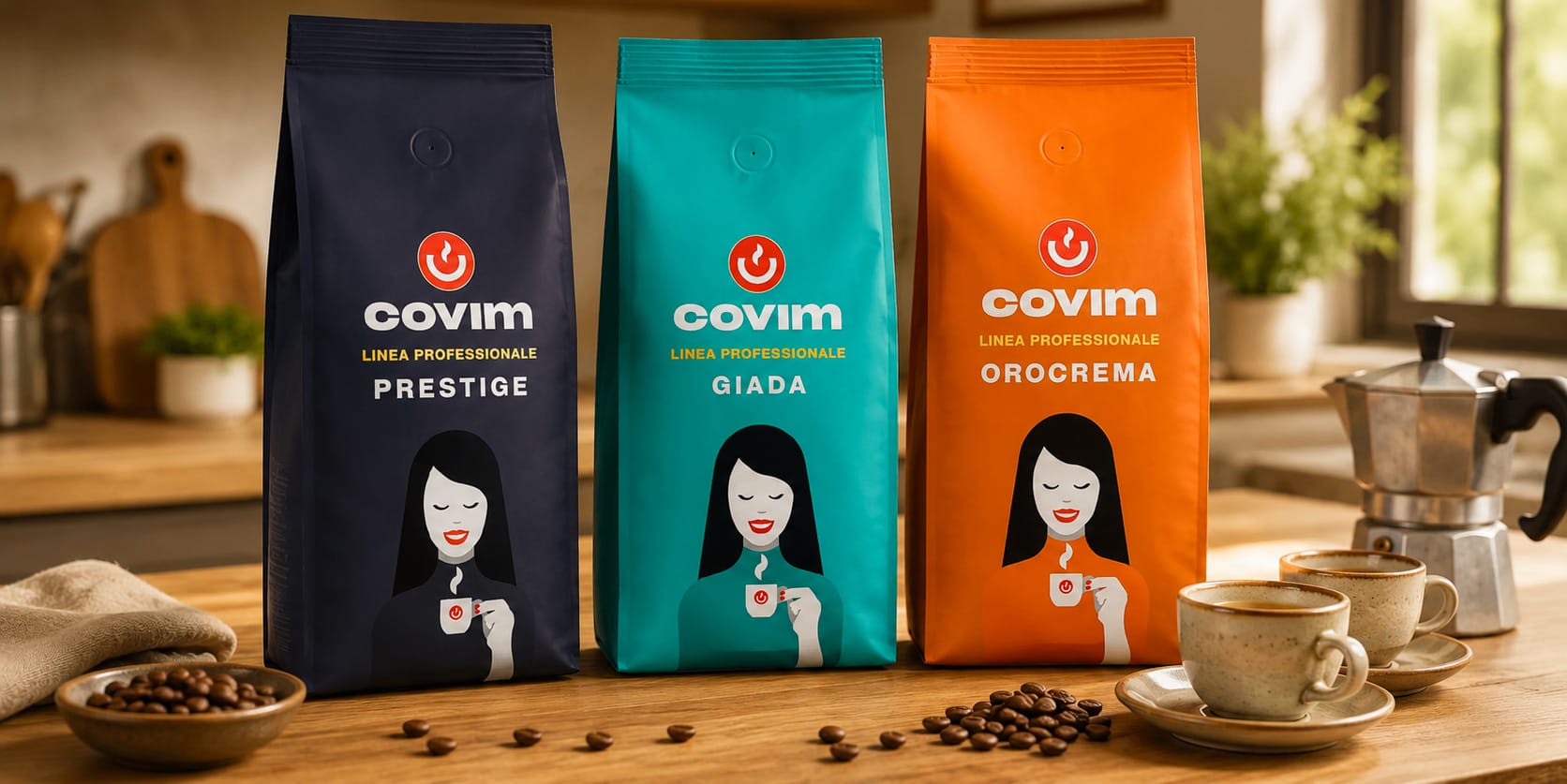
Are you hesitating between Covim Giada, Covim Orocrema, and Covim Prestige? These three whole bean coffees don't cater to exactly the same tastes. Here's our objective guide to choosing the Covim coffee best suited to your machine and your habits.
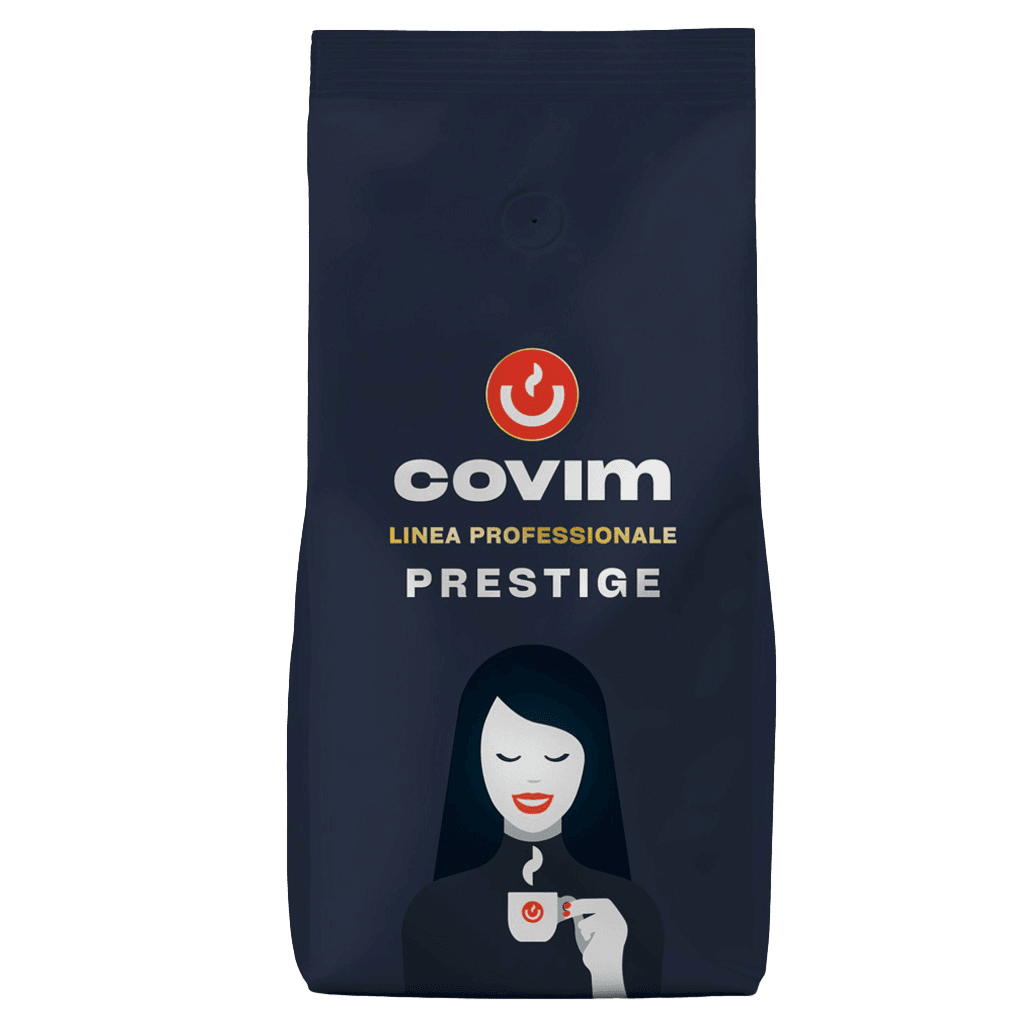
Covim Prestige
The most balanced choice for those who want a round, velvety, aromatic and persistent espresso.
See Covim Prestige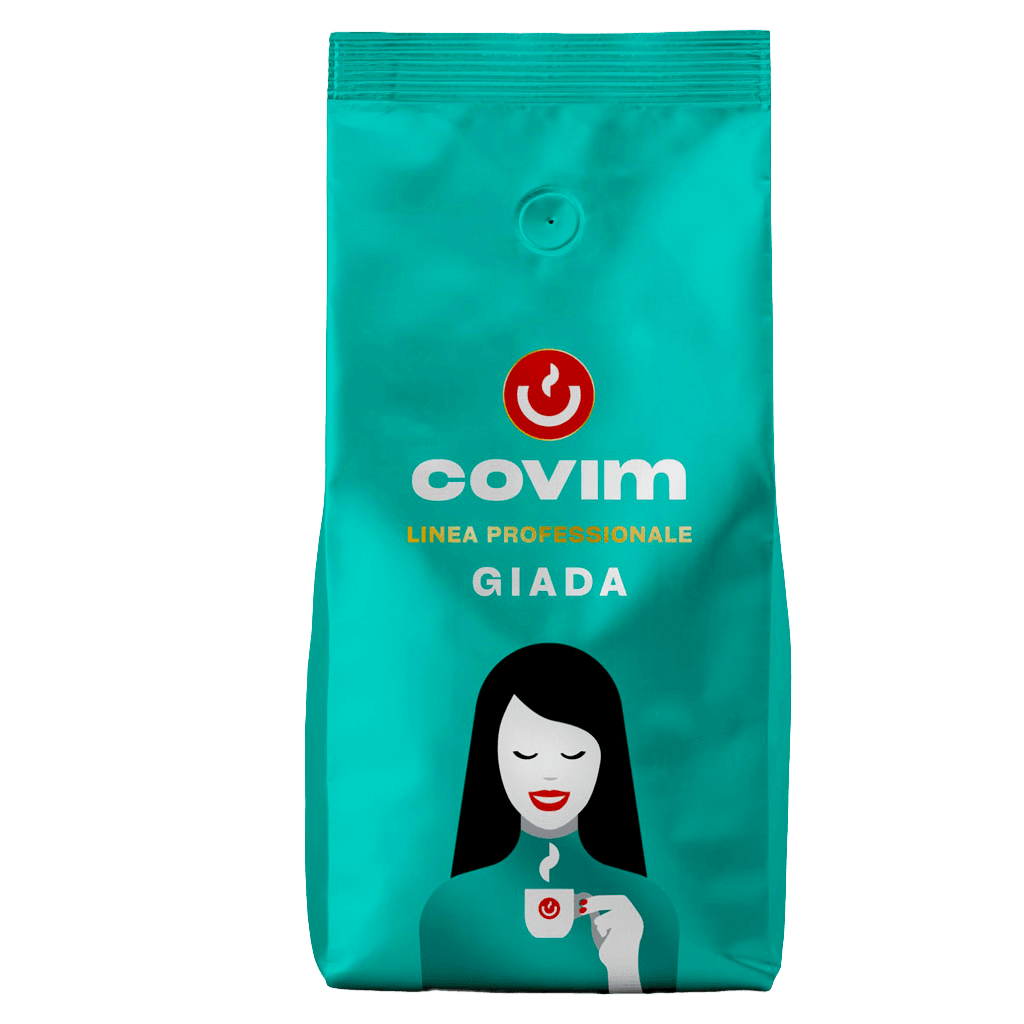
Covim Giada
The smoothest and easiest choice for everyday drinking, with a light body and a very pleasant cup.
See Covim Giada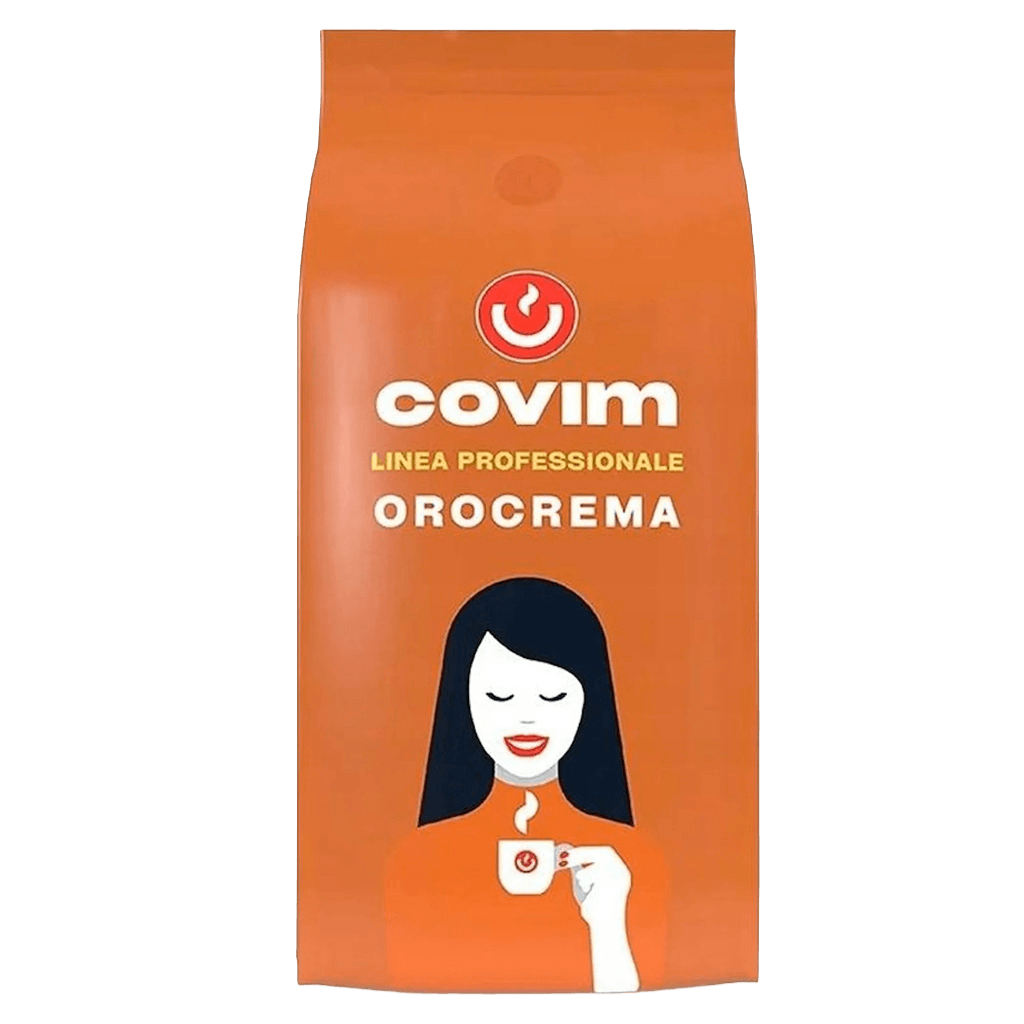
Covim Orocrema
The ideal choice for lovers of strong, full-bodied, persistent Italian espresso with a generous crema.
See Covim OrocremaIn summary: which Covim coffee beans should you choose?
Choose Covim Giada whole bean coffee if you are looking for a mild, light-bodied coffee that is easy to drink every day, with a high proportion of Arabica.
Choose Covim Orocrema coffee beans if you like strong, very creamy espressos with a decisive and persistent taste.
Choose Covim Prestige whole bean coffee if you want a more aromatic, round, velvety and balanced coffee, with a nice persistence on the palate.
Covim Giada whole bean coffee: the mildest and most affordable
Covim Giada is probably the mildest of the three. Its official specifications indicate a composition of 75% Arabica and 25% Robusta. This proportion explains its rounder, smoother, and easier-to-drink character compared to a very strong coffee.
The Covim product sheet also highlights a light body, a very good aroma, a very smooth cup , and good acidity. Giada is therefore not presented as a very strong coffee, but rather as a balanced, pleasant, and mild blend.
Our advice: choose Covim Giada if you find some Italian coffees too strong, too bitter, or too intense. It's a good option for everyday consumption at home, in the office, or with an automatic machine.
The strong pointof Covim Giada
Its first advantage is its mildness. The technical specifications clearly indicate a “very mild” cup, making it a suitable coffee for consumers who want to limit bitterness and maintain an easy-to-enjoy cup.
Its second point is its 75% Arabica / 25% Robusta composition. Arabica generally provides more aromatic finesse and sweetness, while Robusta contributes to body and creaminess.
The limits of Covim Giada
Giada won't be the best choice if you're looking for a very full-bodied, dense, or intense espresso. Its body is officially described as light, meaning it will be less pronounced than Orocrema or Prestige.
Covim Orocrema coffee beans: the strongest and creamiest
Covim Orocrema is the most intense choice in this comparison. It is aimed at lovers of full-bodied Italian espresso, with a pronounced, persistent cup and a generous crema.
With an intensity of 10/10, Orocrema is the strongest of the three coffees compared here. It boasts a bold flavor, a long finish, and notes of cocoa and aromatic wood.
Our advice: choose Covim Orocrema if you like coffees with body, a generous crema and a taste that remains present, even in a cappuccino or a café crème.
The pointof Covim Orocrema
Its main advantage is its power. Orocrema will be particularly suitable for people who are looking for a real intensity in a short espresso or ristretto.
Its very creamy texture is also an important advantage, especially with automatic machines and traditional espresso machines.
The limits of Covim Orocrema
Orocrema may be too intense for those who prefer milder coffees. If you are sensitive to bitterness or are looking for a lighter cup, Giada will likely be a better fit.
Covim Prestige whole bean coffee: the roundest and most aromatic
Covim Prestige sits between Giada and Orocrema. It's less intense than Orocrema, but richer and more structured than Giada. It's a good choice for those who want an expressive coffee, but without going for maximum intensity.
With an intensity of 8/10, Prestige offers a well-rounded, aromatic, and velvety cup. Its notes of toast and red berries give it more complexity than a simply strong coffee.
Our advice: choose Covim Prestige if you want a balanced, aromatic, and enjoyable coffee for everyday use. It's the most versatile compromise between smoothness, body, and aromatic richness.
The pointof Covim Prestige
Its first point is its balance. It maintains a nice presence on the palate, but without reaching the power of Orocrema.
Its second advantage is its aromatic profile. The notes of toasted bread and red fruits provide a more refined and nuanced sensation in the cup.
The limitations of Covim Prestige
Prestige may seem less powerful than Orocrema for lovers of very strong espressos. Conversely, it may be a bit more pronounced than Giada for those looking for only a very mild coffee.
Which Covim coffee beans should you choose according to your tastes?
Do you like mild coffees?
Choose Covim Giada. Its very smooth cup, light body and predominantly Arabica composition make it the most accessible choice for everyday use.
Do you like strong coffees?
Choose Covim Orocrema. With its 10/10 intensity, its decisive taste and its very creamy texture, it is the most full-bodied of the three.
You are looking for balance
Choose Covim Prestige. It offers a round, aromatic and velvety cup, with a high but better controlled intensity.
With an automatic machine
All three coffees are suitable, but the choice will depend on your preferred settings and taste. For a mild, everyday cup, go with Giada. For an intense cup with plenty of crema, choose Orocrema. For a balanced and aromatic cup, choose Prestige.
With milk
Orocrema is the most logical choice if you often drink cappuccinos, café crèmes, or lattes. Its strength and persistence allow it to remain present even with milk. Prestige can also be suitable for a rounder result, while Giada will be more subtle.
Our final verdict
Covim Giada is the coffee of gentleness. It will suit people who want a light, very mild and easy-drinking cup.
Covim Orocrema is the coffee of power. It is the most intense, the most full-bodied and the creamiest of the three.
Covim Prestige is the coffee of balance. It offers a more aromatic, round and velvety cup, with a high but well-controlled intensity.