

Coffee and praline Paris-Brest
An elegant, intense take on the French classic, where the sweetness of praline meets the deep notes of coffee.
Paris-Brest is a classic of French pâtisserie. With its ring of choux pastry, generous cream filling and melting centre, it instantly appeals to lovers of elegant, indulgent desserts.
In this version, we give it an even more intense and sophisticated touch by combining coffee and praline. The result is irresistible: the sweetness of caramelised hazelnuts meets the deep notes of coffee to create a rounded, aromatic dessert full of character.
This recipe is ideal for impressing your guests or treating yourself to a lavish afternoon tea. We will take you through it step by step with clear instructions, so you can get it right even if you do not make it often.
Before you start
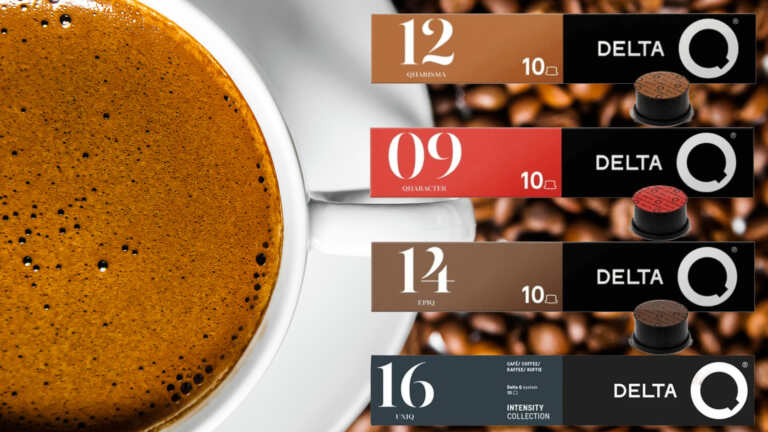
Start by preparing the pastry cream, as it needs to cool completely before being turned into mousseline cream. For a balanced result, choose a smooth, rich coffee, ideally with notes of hazelnut, chocolate or caramel.
Prepare the coffee pastry cream
Heat the milk in a saucepan over a low heat. If you are using instant coffee, dissolve it directly in the hot milk. If you are using espressos, add them to the milk, adjusting the quantity slightly to maintain a creamy texture.
In a mixing bowl, whisk the egg yolks with the sugar until the mixture turns slightly pale. Then add the cornflour and whisk again to prevent lumps.
Gradually pour the hot coffee-infused milk over this mixture, stirring as you go. Return everything to the saucepan and cook over a medium heat, whisking continuously. The cream will gradually thicken.
Once it is smooth and firm, remove it from the heat. Add half the praline paste and mix immediately. Pour into a wide dish, cover with cling film directly touching the surface, then leave to cool completely.
Make the choux pastry
Preheat your oven to 180°C, using conventional heat rather than fan if possible.
Put the water, milk, butter cut into pieces, salt and sugar into a saucepan. Heat until the butter has completely melted, then bring the mixture to the boil.
Remove from the heat and add the flour all at once. Stir immediately with a spatula. Return the saucepan to a low heat and dry out the dough for 1 to 2 minutes, stirring constantly.
Transfer the dough to a mixing bowl or the bowl of a stand mixer. Leave to cool for 2 to 3 minutes, then incorporate the eggs one at a time. The final texture should be soft and glossy, but not runny.
Then transfer the dough to a piping bag fitted with a plain nozzle.
Pipe the ring
On a baking tray lined with baking paper, draw a circle approximately 20 to 22 cm in diameter as a guide. Turn the paper over to prevent the ink or pencil from touching the dough.
Pipe a ring following the outline, then a second ring right beside it, touching the first. Finally, pipe a third ring on top, between the first two.
Sprinkle flaked almonds over the top. They will add crunch and an attractive golden finish.
Bake for approximately 35 to 40 minutes without opening the oven door. The ring should be well risen and beautifully golden. Then leave it to cool completely on a wire rack.
Turn the pastry cream into mousseline cream
Once the coffee and praline pastry cream is completely cold, whisk it to loosen it.
In another mixing bowl, beat the softened butter until it is very soft and creamy. Then gradually add the pastry cream to the butter, whisking as you go.
The texture will become airy, smooth and lighter. Finally, incorporate the remaining praline paste to enhance the caramelised hazelnut flavour.
Transfer the cream to a piping bag fitted with a star nozzle. If it seems a little soft, chill it for 10 to 15 minutes before assembly.
Cut the ring
Take the cooled choux pastry ring and carefully slice it in half horizontally with a large serrated knife.
Remove the top half and set it aside. This reveals the hollow interior, ready for a generous filling.
For an even more indulgent result, you can place a few dabs of pure praline paste inside the base, or add a little crunchy crushed praline.
Fill generously
Pipe the coffee and praline mousseline cream over the entire base. Create attractive, even rosettes or a more generous, rustic filling, depending on the style you want.
Add a few pieces of chopped hazelnut or a little crushed praline between the rosettes to enhance the contrast in textures.
For an even more indulgent Paris-Brest, add a few small streaks of pure praline paste in the centre before replacing the top.
Then gently place the choux pastry top onto the cream.
Finish and decorate
To finish, dust the top with icing sugar. This simple touch instantly gives it an elegant, traditional pâtisserie appearance.
You can also add a few chopped hazelnuts or a very light sprinkling of crushed praline to echo the recipe’s main flavours.
Chill the Paris-Brest for at least 1 hour before serving. This allows the cream to firm up and the flavours to develop further.
Tips for a successful coffee and praline Paris-Brest
The secret to a good Paris-Brest lies in the balance of textures and flavours. The choux pastry should be thoroughly dry after baking, the cream should be smooth and firm, and the coffee should not overpower the praline flavour.
Use a good-quality coffee with smooth, rich notes rather than an overly acidic coffee. You can also adjust the intensity of the coffee to suit your taste.
Ideally, prepare this dessert on the day you plan to serve it or the evening before. This will keep it perfectly fresh without the pastry losing too much of its crispness.
An elegant, generous dessert for coffee lovers
Coffee and praline Paris-Brest is a pastry that never fails to impress. It brings together everything we love in a great dessert: depth, indulgence, beautifully intense aromas and genuine visual elegance.
The combination of coffee and praline works wonderfully, bringing depth, sweetness and a lingering finish.
Served at the end of a meal or with coffee, it turns a simple sweet treat into a moment of true pleasure. At Cafemalin.com, we love recipes that showcase coffee with refinement, and this is a fine example.