
Many people believe that you need a professional machine or expensive equipment to make excellent coffee. However, baristas know that the quality of coffee relies primarily on a few simple principles : the freshness of the coffee, precise measurements, and mastery of the extraction process. By applying certain techniques used in coffee shops, it's entirely possible to instantly improve your coffee at home. In this article, we share eight easy-to-implement barista tips to transform your daily coffee into a truly enjoyable experience.
Use freshly ground coffee to preserve the aromas
Coffee begins to lose its aroma very quickly after grinding. Once ground, it is exposed to oxygen, and the aromatic compounds gradually evaporate. This is why baristas always grind their coffee just before brewing. Using whole bean coffee and grinding it at the last minute helps preserve the full aromatic richness of the coffee: chocolate, fruity, or even caramel notes, depending on the origin. A simple coffee grinder, manual or electric, can already make a big difference in the cup.
Choose the right grind according to the preparation method
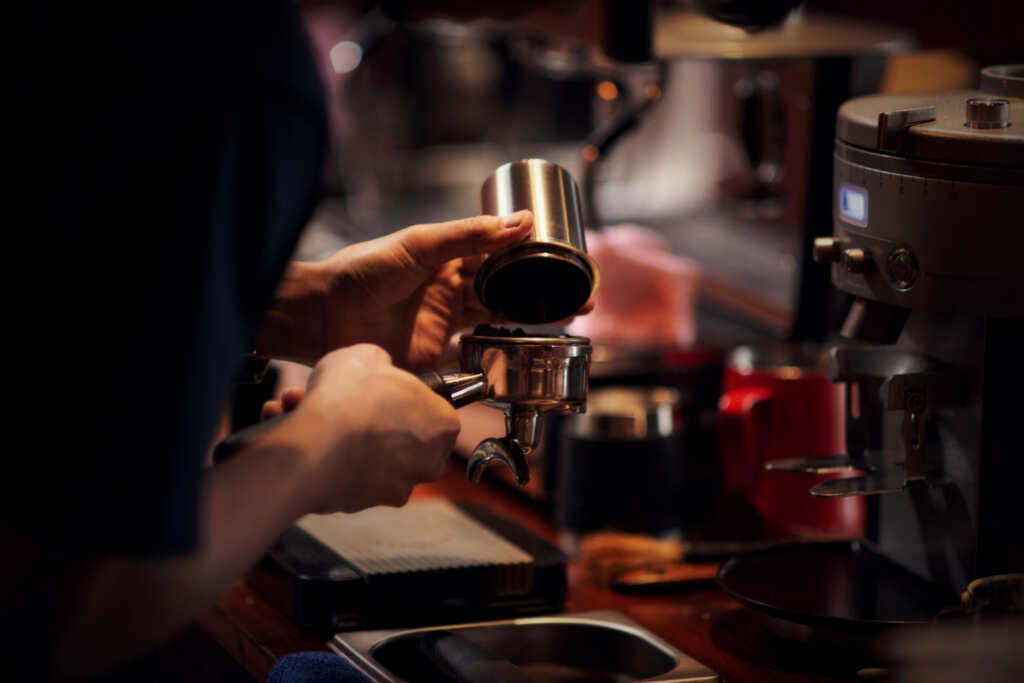
The grind size directly influences coffee extraction. A grind that is too fine slows down the water flow and can produce overly bitter coffee. Conversely, a grind that is too coarse allows the water to pass through too quickly, resulting in a weak and under-extracted coffee. Each brewing method therefore requires a specific grind. Espresso requires a very fine grind, the Italian coffee maker a fine grind, filter methods a medium grind, and the French press a coarser grind. Adapting the grind to your brewing method allows you to obtain a more balanced and flavorful.
Respect a good ratio between coffee and water
Baristas always use a precise ratio of coffee to water. This parameter is essential for achieving a balanced extraction. The most common rule of thumb is approximately 1 gram of coffee to 15 to 18 grams of water. For example, to prepare a cup with 300 ml of water, you would need about 18 to 20 grams of coffee. Using a small kitchen scale allows for precision and makes it easy to replicate a recipe that works. This simple adjustment can transform a coffee that is too weak or too strong into a perfectly balanced beverage.
Use quality water to reveal the aromas
Coffee is more than 98% water, meaning that water quality plays a major role in the final taste. Water that is too hard or too mineral-rich can mask some of the coffee's aromatic notes. Conversely, water that is too pure can produce a flat result. Ideally, filtered water or low-mineral water should be used. Good water allows the natural aromas of the coffee to better reveal themselves, whether they are rich, fruity, or slightly acidic.
Control the water temperature for optimal extraction
Water temperature directly influences aroma extraction. If the water is too hot, it can burn the coffee and accentuate bitterness. If it's too cold, it doesn't extract enough aromatic compounds, and the coffee becomes bland. The ideal temperature for brewing coffee is generally between 90°C and 96°C. If you're using a standard kettle, a helpful tip is to wait about 30 seconds after the water boils before pouring it over the coffee. This allows it to reach a temperature more conducive to extraction.
Use pre-infusion to improve extraction
Pre-infusion, also called bloom, is a technique used in most manual brewing methods. It involves pouring a small amount of water over the ground coffee and waiting about 30 seconds before continuing the extraction. This step allows the coffee to release the carbon dioxide present in the freshly roasted beans. By letting the coffee degas, the water can then penetrate the grounds more evenly and extract the aromas in a more balanced way. This simple technique can significantly improve the result in the cup.
Clean your equipment regularly to preserve the taste of coffee
Coffee contains natural oils that accumulate over time in machines, filters, or grinders. If these residues are not cleaned regularly, they can become rancid and alter the taste of the coffee. Baristas therefore place great importance on maintaining their equipment. Rinsing accessories after each use, cleaning filters and descaling the machine regularly helps preserve a pure and consistent taste. Clean equipment directly contributes to the quality of the coffee.
The regularity: the true secret of baristas
Beyond technique, the true secret of baristas is consistency. They always reproduce the same parameters: the same grind, the same coffee-to-water ratio, the same temperature, and the same extraction method. Once you've found the settings you like, try to replicate them every time you make a cup. This consistency allows you to obtain quality coffee day after day.
In summary: a few simple gestures to transform your daily coffee
Improving your coffee at home doesn't necessarily require professional equipment. By applying a few principles used by baristas — using freshly ground coffee, choosing the right grind, respecting the proper coffee‑water ratio, using quality water, controlling the temperature, practicing pre‑infusion and maintaining your equipment — it is possible d’obtain a noticeably better coffee. With a bit of practice and curiosity, preparing a good coffee quickly becomes a genuine daily pleasure. ☕