





Tasting notes & flavour profile
Intensity
Flavour notes
Flavour profile
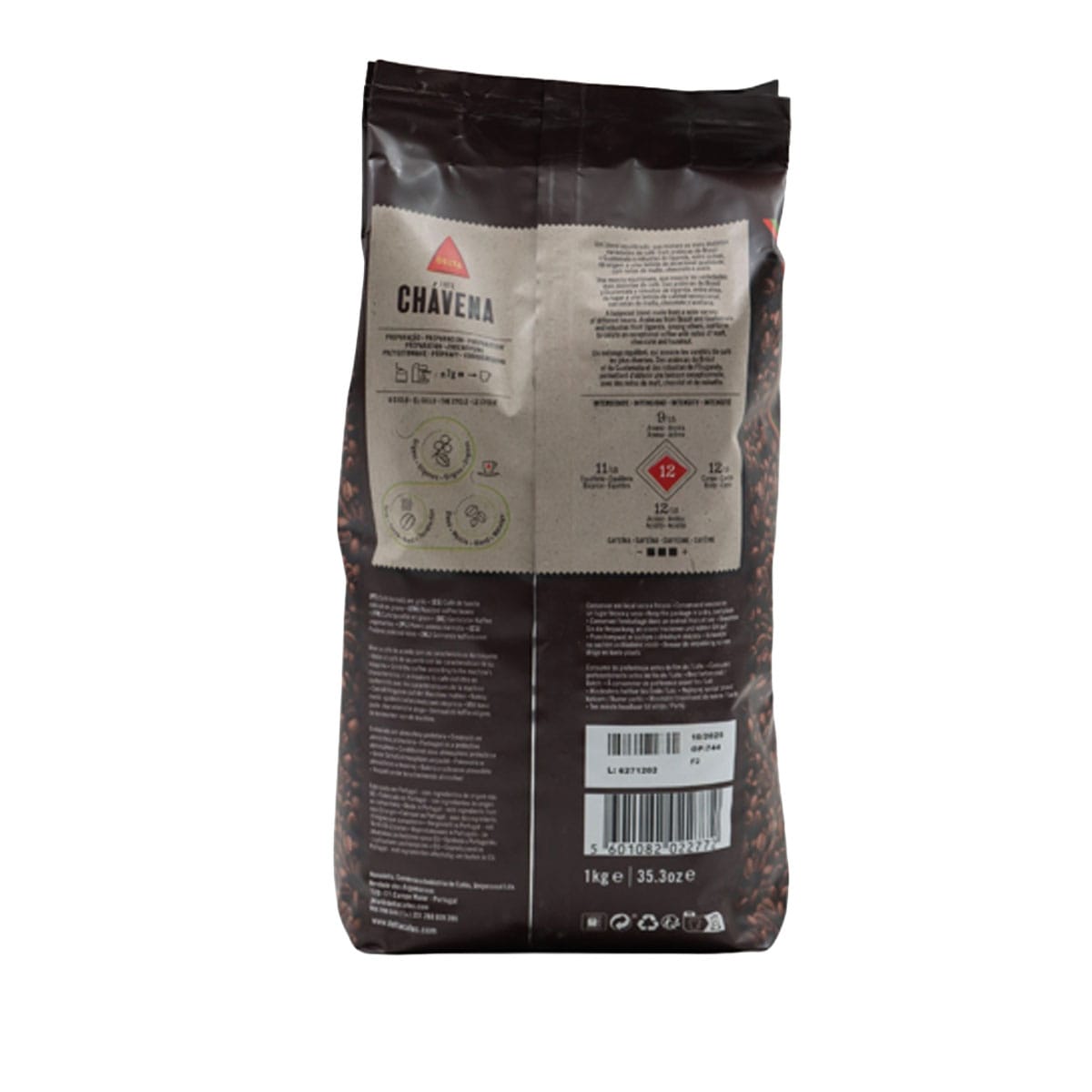
Delta Chávena — chávena means ‘cup’ in Portuguese — is a blend that Delta Cafés describes as balanced, combining very distinct coffee varieties: Arabicas from Brazil and Guatemala and Robustas from Uganda, among others, roasted in Campo Maior, in the Alentejo, for a drink with notes of malt, chocolate and hazelnut.
Intensity 12 out of 15 on the Delta scale, equivalent to 8/10 on our product pages: a coffee with character for everyday espresso, whether a short bica or a coffee with milk. Delta estimates around 140 cups per kilo.
Compatible machines & brewing method
Automatic bean-to-cup coffee machine
Machines with a built-in grinder from all brands (De'Longhi, Jura, Philips, Melitta)
- Grind
- Medium 5/10
- Dose
- 9–10 g
- Temp.
- 92 °C
- Time
- 25–30 s
Professional barista espresso
Professional 58 mm espresso machine — short Portuguese bica profile
- Grind
- Fine
- Dose
- 18 g double
- Tamping
- 15 kg
- Extraction
- 25–30 s
Italian moka pot
Bialetti moka pot over a low heat
- Grind
- Medium-fine
- Dose
- Full basket
- Temp.
- Low heat
- Time
- 3–4 min
Delta coffee beans you might also like

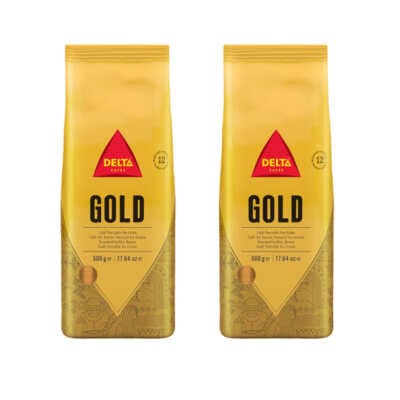
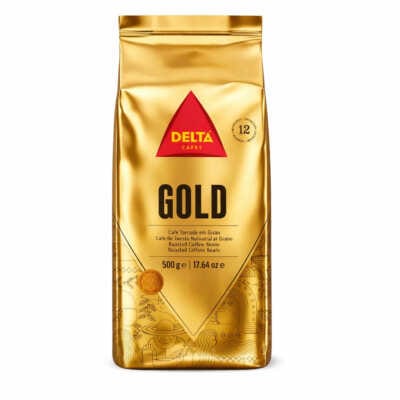
Delta Cafés Gold coffee beans 1 kg
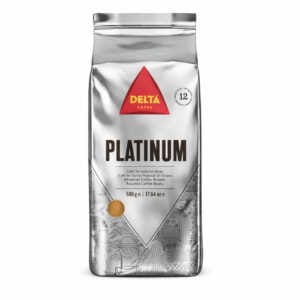
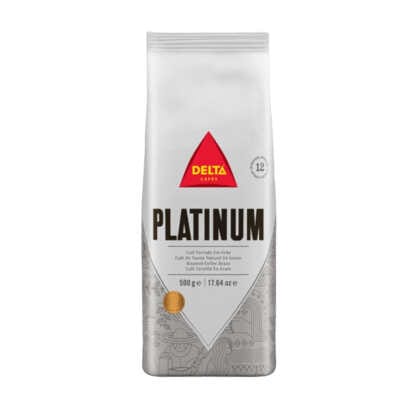
Delta Platinum coffee beans 500 g
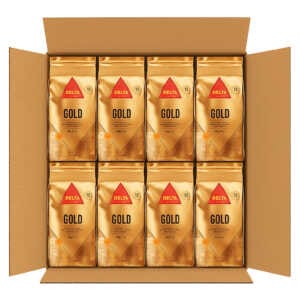
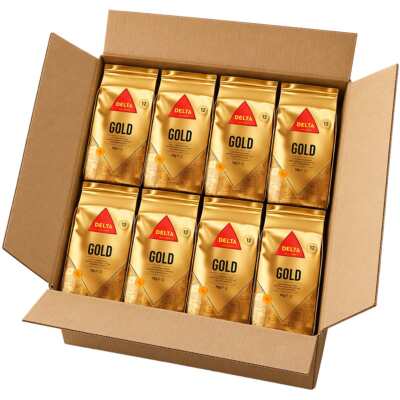
10 kg – Delta Cafés Gold coffee beans
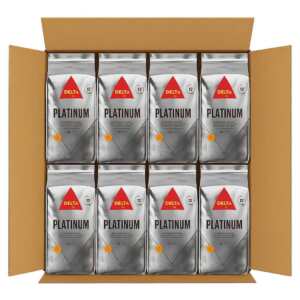
5 kg Delta Platinum Coffee Beans
Frequently asked questions
What does ‘Chávena’ mean in Portuguese?
Chávena is the Portuguese word for cup. Coffee is central to life in Portugal: the short bica in Lisbon, the cimbalino in Porto and the long, milky galão are all daily rituals. Delta's Lote Chávena is a balanced blend: Arabicas from Brazil and Guatemala, Robustas from Uganda, among others, for a drink with notes of malt, chocolate and hazelnut.
What is the difference between Chávena, Gold and Platinum?
Three Delta blends rated 8/10 on our product pages, with distinct profiles:
- Chávena (this product) — Arabicas from Brazil and Guatemala, Robustas from Uganda: notes of malt, chocolate and hazelnut.
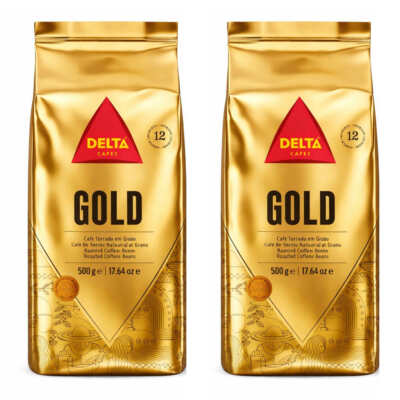
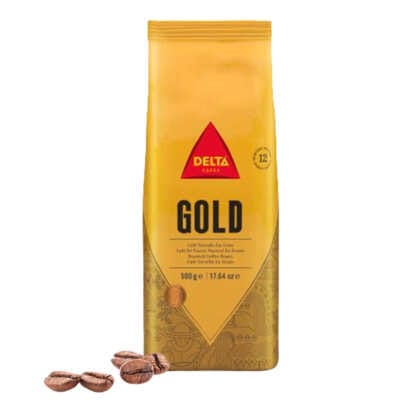
- Gold — African Robustas and Central American Arabicas: notes of honey, ripe fruit and toasted almonds, our bestseller.
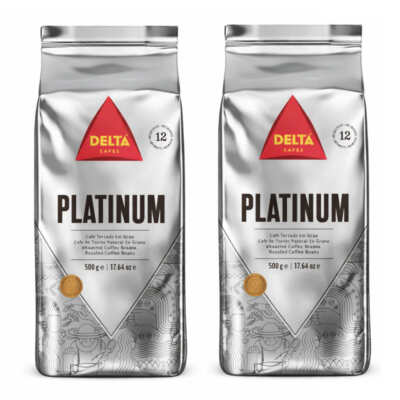
- Platinum — Central American Arabica and Asian Robusta, slowly and naturally roasted: notes of ripe fruit, caramel and chocolate.
How many cups can I make with 1 kg?
Estimated yield:
- Short espresso (7 g) : ~143 cups.
- Standard espresso (9 g) : ~111 cups.
- Filter coffee machine (60 g/L) : ~83 cups of 200 ml.
Household drinking 4 cups/day: ~5 weeks per kilo. Office drinking 20 cups/day: ~1 week per kilo.
Is Chávena compatible with my bean-to-cup machine?
Yes, all brands: De'Longhi (Magnifica, Dinamica, Eletta), Jura (E, S, Z, GIGA), Philips (LatteGo, 2200–5500), Melitta (Caffeo, Barista), Krups (Evidence, Intuition), Saeco. Recommended settings: medium grind 5/10, dose 9–10 g, temperature 92 °C. Estimated yield: ~111 cups per 1 kg bag at 9 g per extraction.
How should I store the 1 kg bag after opening?
Reseal the bag carefully with a clip or transfer the beans to an opaque, airtight jar, and store at room temperature (18–22 °C), away from light and heat sources. Avoid the fridge (moisture and absorption of odours). Unopened bag: until the date shown on the packaging. After opening, ideally use within 3–4 weeks for the best aroma.
Which grind should I choose for my brewing method?
The grind should suit the brewing method:
- Espresso / bean-to-cup machine: fine grind (fine sand texture), extraction 25–30 s for 30 ml.
- Italian moka pot: medium-fine grind, low heat for 3–4 min.
- Filter coffee maker / V60: medium grind, ratio 60 g/l.
- French Press: coarse grind, steep for 4 min.
Verified product reviews from our customers
Be the first to review this product — your feedback helps us improve.
All published reviews are collected and verified by Avis Vérifiés, an independent trusted third party certified by AFNOR to the NF ISO 20488 standard. View the certificate.