
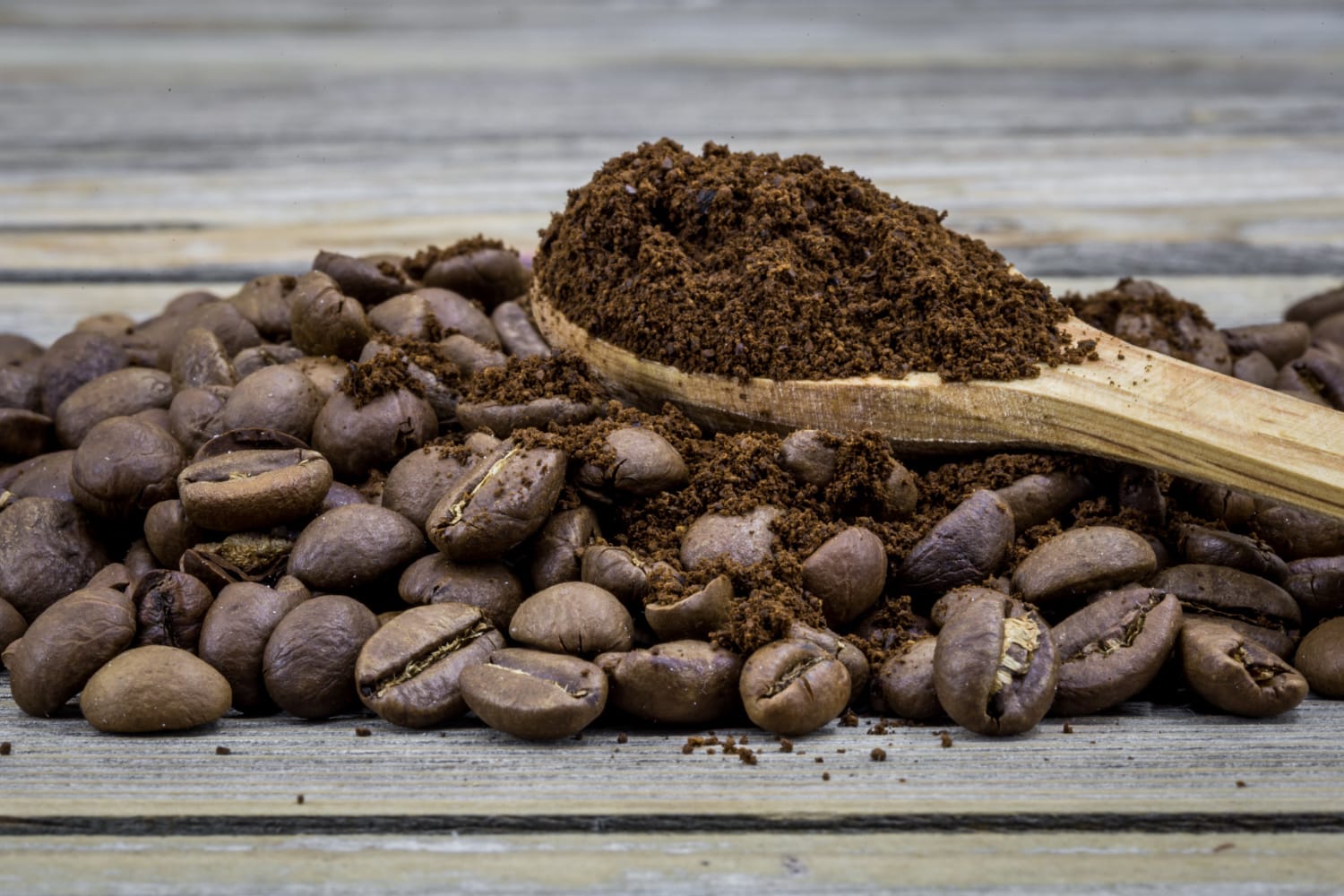
Each day, millions of cups of coffee are consumed worldwide, generating an impressive amount of waste: coffee grounds. Too often thrown in the trash, this natural by‑product is actually full of unsuspected virtues. Rich in nutrients, biodegradable, abrasive yet gentle, coffee grounds have properties that make them an ecological and economical ally in many domestic uses. Here are five simple and effective ways to reuse coffee grounds daily.
A natural fertilizer for the garden
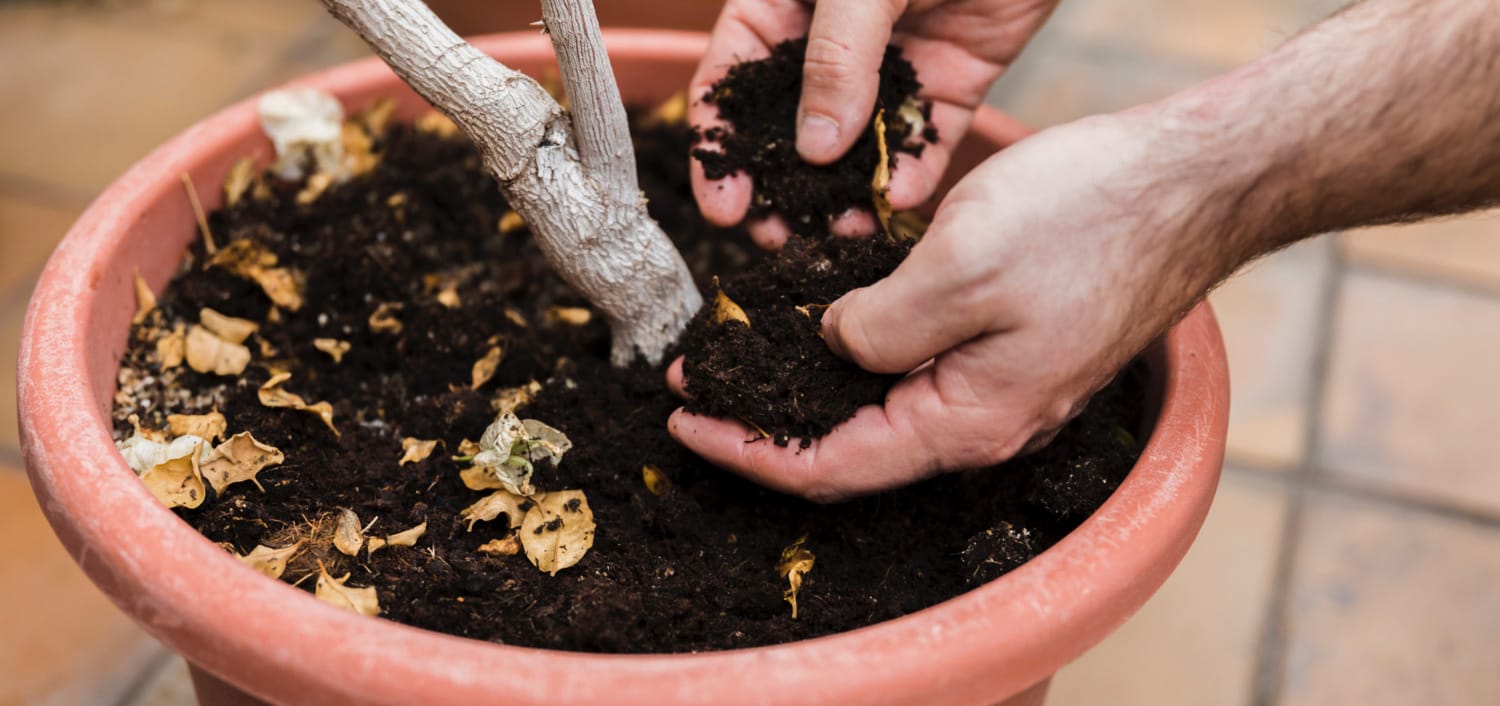
Coffee grounds are a boon for both amateur and experienced gardeners. Thanks to its richness in nitrogen, potassium, magnesium, and other trace elements, it acts as a gentle organic fertilizer, ideal for enriching the soil of your plants.
How to use it?
- Directly on the soil : once dried, it can be spread at the base of plants or mixed into the soil. It improves soil structure, promotes water retention and feeds useful microorganisms.
- In the compost : integrated into the compost, coffee grounds accelerate the decomposition of organic matter and help obtain richer humus. However, avoid adding too much to prevent acidifying the mix.
- For potted plants : in small quantities, it stimulates the growth of plants such as tomatoes, hydrangeas or strawberries.
Tip
Earthworms, precious allies of the soil, love coffee grounds. Their presence promotes aeration and soil fertility.
A natural repellent against certain pests
Few people know, but coffee grounds are also a natural repellent. Its smell and texture deter many insects and parasites from approaching your home or plants.
Targeted insects:
- Ants
- Slugs and snails
- Aphids
- Mosquitoes (when burned)
Application methods:
- Around the plants : sprinkle coffee grounds around the plants to protect them. Its granular texture hinders the movement of slugs.
- On window sills or entrances : mixed with a little lemon, coffee grounds form a natural barrier against ants.
- Brûlé dans une coupelle : à l’extérieur, le marc séché puis brûlé doucement dégage une fumée légère qui éloigne les moustiques, un peu comme de l’encens.

An excellent exfoliating body care
Rich in antioxidants and slightly abrasive, coffee grounds are an excellent homemade cosmetic ingredient, especially for skin exfoliation. It allows for deep cleaning while stimulating blood circulation.
Preparing a coffee grounds scrub:
- Recette simple : mélangez une cuillère de marc avec une cuillère d’huile végétale (coco, olive ou amande douce).
- Application : Gently massage onto damp skin in circular motions, then rinse.
This natural care eliminates dead cells, refines the skin texture, and leaves a feeling of softness. It is particularly appreciated for rough areas like elbows, knees, or heels.
Bonus: anti-cellulite effect
Thanks to the caffeine it contains, coffee grounds stimulate microcirculation and help dislodge fat. Used regularly, it can reduce the appearance of cellulite.
An effective and natural deodorizer
Coffee grounds have the ability to absorb strong odors. Used indoors, it can advantageously replace chemical deodorizers that are often expensive and not very eco-friendly.
Concrete uses:
- Dans le réfrigérateur : placez une coupelle de marc sec sur une étagère, elle neutralisera les mauvaises odeurs.
- In the shoes : wrapped in a compress or a small fabric bag, it absorbs the humidity and the odors.
- In the drains : a spoon of coffee grounds poured into the sink with hot water allows cleaning and deodorizing the pipes (without overdoing it to avoid clogging).
Important
The coffee grounds must be well dry before being used as a deodorizer, otherwise it could mold or emit an unpleasant odor.

A household ally for cleaning and scrubbing
Thanks to its slightly abrasive texture, coffee grounds are also an excellent natural household product. It allows you to scrub without scratching, while being eco-friendly and safe for your health.
Usage ideas:
- Cleaning of pots and pans : rub a small amount of grounds on the dirty surfaces using a sponge, then rinse.
- Surface stain removal : used on the stainless steel sink or the barbecue grill, it removes stubborn residues.
- Hand cleaning : after handling fish, garlic or onions, rubbing the hands with a little grounds helps neutralize odors.
To Avoid:
The grounds should not be used on porous, white or light surfaces, as they risk leaving brown stains that are difficult to remove.
In summary: a small gesture for a big impact
Reusing coffee grounds is adopting a simple, economical and ecological habit. This household waste, too often neglected, can become a valuable ally in the garden, bathroom, kitchen or even for household maintenance. By multiplying these small daily gestures, everyone can contribute to reducing waste, limiting the use of chemicals and valuing natural resources available free of charge.
Some practical tips
- Conservation : stockez le marc dans un bocal ouvert à l’air libre ou séchez-le au four pour éviter le développement de moisissures.
- Quantités : même si le marc est utile, son usage doit rester modéré, notamment en jardinage pour ne pas déséquilibrer les sols.
- Origine : privilégiez si possible un café bio et non traité pour limiter les résidus chimiques dans votre marc.
With a little creativity, coffee grounds fit perfectly into a zero-waste approach. The next time you prepare an espresso or filter, think about it: your grounds still have a lot to offer.
À découvrir également : Peut-on créer du café sans caféier, focus sur le café cellulaire ou synthétique ?