

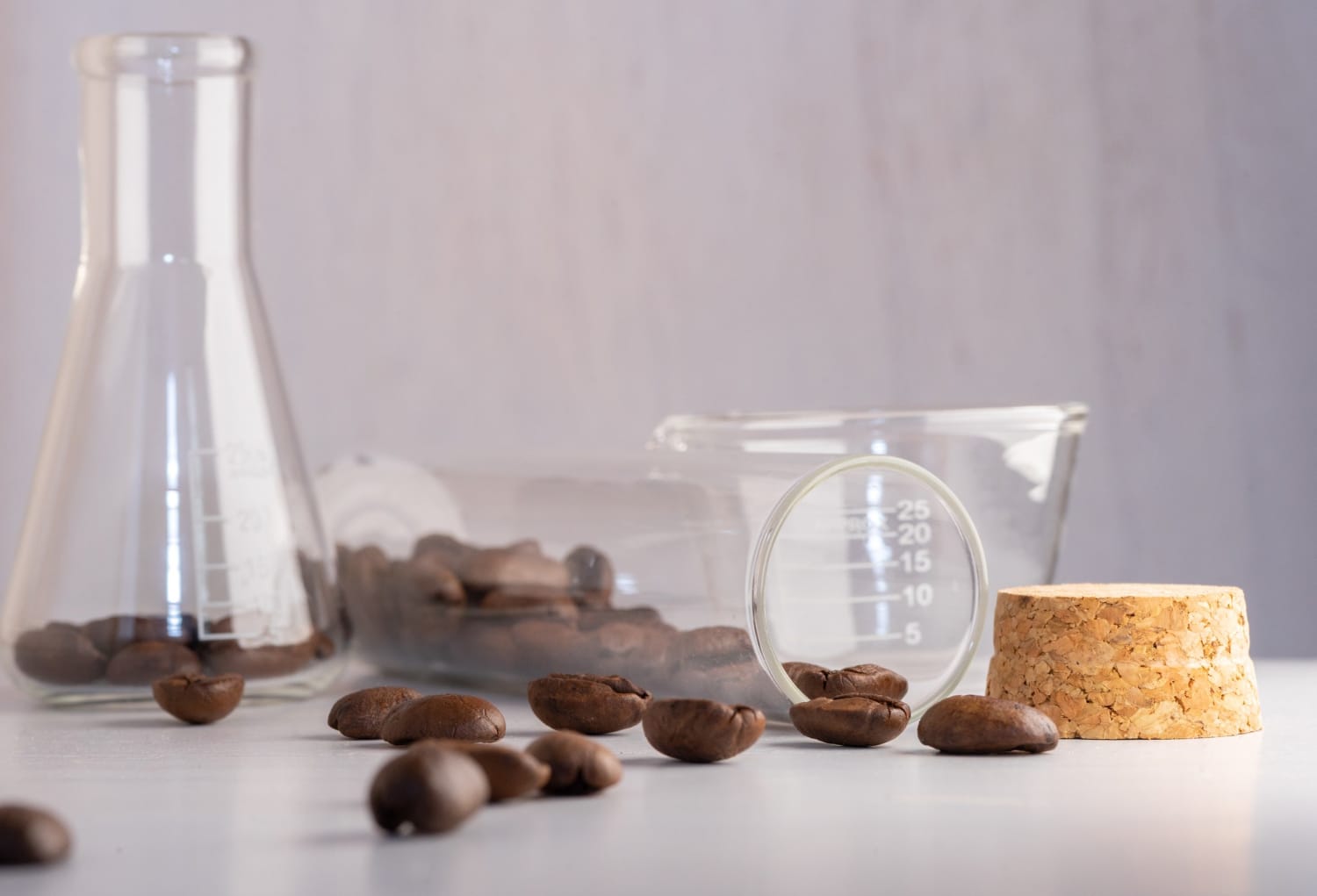
What is synthetic or cellular coffee?
Synthetic coffee, also called cellular coffee, is an innovative product designed in a laboratory from cell cultures extracted from coffee plants. Unlike traditional coffee, which comes directly from cultivated coffee plants, this type of coffee is created by isolating specific cells from the plant and growing them in a controlled environment. This process allows the cells to produce the same aromatic and taste compounds as natural coffee, without requiring extensive coffee cultivation.
How is coffee made without coffee plants?
The production of cellular coffee begins with the extraction of specific plant cells from coffee seeds or leaves. These cells are placed in bioreactors where they benefit from a nutrient-rich medium containing sugars, minerals, and vitamins essential for their growth. By precisely controlling temperature, oxygenation, and humidity conditions, the cells multiply and generate biochemical compounds characteristic of traditional coffee, such as caffeine and various aromatic compounds.
This process is similar to that used in the production of lab-grown meat, a technology also on the rise, aimed at replicating the taste and texture of meat without requiring traditional animal husbandry.

What benefits does synthetic coffee offer?
Cellular coffee has several significant advantages, particularly on ecological, economic, and ethical grounds.
Reduced environmental impact: Traditional coffee cultivation often involves extensive deforestation, intensive water use, and high carbon emissions due to international transport. Cellular coffee significantly reduces these impacts, requiring less land, less water, and reducing transport needs thanks to potentially local production. : La culture traditionnelle du café implique souvent une déforestation extensive, une utilisation intensive d’eau, et des émissions élevées de carbone dues au transport international. Le café cellulaire réduit considérablement ces impacts, nécessitant moins de terre, d’eau et réduisant les besoins en transport grâce à une production potentiellement locale.
Regularity and constant quality : Laboratory production guarantees a regularity difficult to achieve in traditional agriculture. The taste, the aroma and the quality of synthetic coffee can be precisely controlled, ensuring a uniform experience for the consumer.
Production ethics : Synthetic coffee can help improve the social conditions associated with the traditional coffee industry, which is often criticized for its precarious working conditions in certain producing regions.
What challenges must cellular coffee overcome?
Despite its many potential benefits, synthetic coffee still faces several challenges before it can be marketed on a large scale.
Coût de production élevé : Actuellement, les coûts associés à la production de café cellulaire restent élevés comparativement au café conventionnel. La technologie nécessaire aux cultures cellulaires est coûteuse, et il faudra probablement plusieurs années avant que ces coûts diminuent suffisamment pour permettre une production économiquement viable à grande échelle.
Consumer acceptance : L’acceptance du café cellular by consumers constitutes another défi major. Consumers habitués to traditional café could être réticents à adopt a product perçu as artificial or less authentic, despite its environmental advantages.
Regulation and food safety : The cellular coffee will have to overcome regulatory obstacles related to food safety and the certification of new food products. The approval processes can be long and complex, thus slowing the market launch of this innovative product.
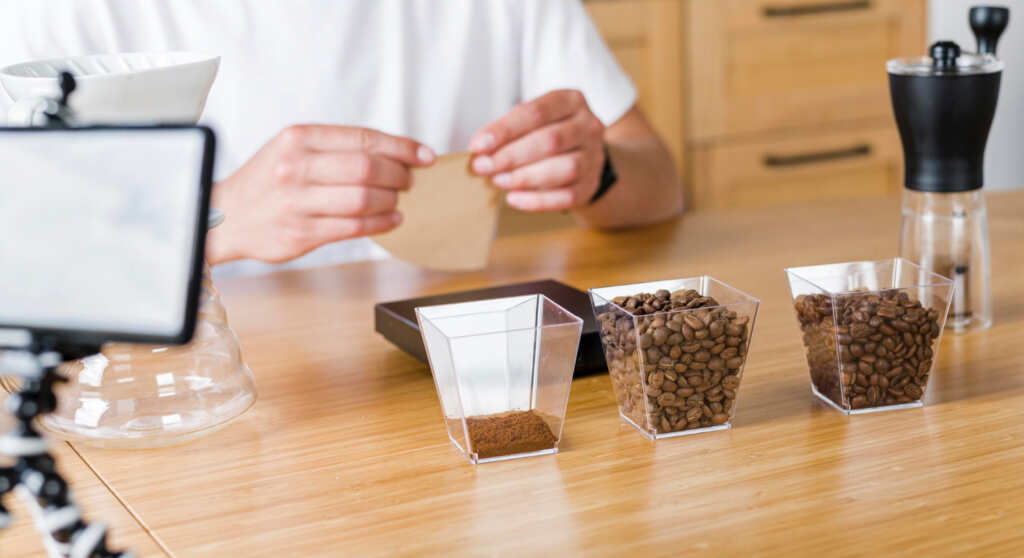
Where are we currently in the development of cellular coffee?
Several companies and innovative startups are actively working on synthetic coffee, particularly in the United States, Europe, and Asia. Companies like Atomo Coffee, based in Seattle, and Compound Foods in San Francisco, are among the pioneers in the sector. Atomo Coffee, for example, has already launched prototypes of coffee made without traditional beans, and is working to perfect its products to make them accessible to the general public in the coming years.
These companies have raised significant funds, a sign of growing interest in this innovation, and benefit from the support of certain investors sensitive to the environmental and social issues related to traditional coffee production.
What future for synthetic coffee?
Cellular coffee is still in its infancy, but its trajectory indicates significant potential. If the current technological and economic challenges can be overcome, synthetic coffee could become a serious alternative, complementary to traditional coffee.
In a global context of increased awareness of environmental and social issues, it is plausible that cellular coffee will gradually win over part of the market, particularly consumers concerned about their ecological and social impact.
Nevertheless, the coexistence between traditional and synthetic coffee seems the most realistic perspective in the short and medium term, each responding to specific segments of the market according to their expectations in terms of taste, sustainability and price.
Coffee without coffee plants is no longer just a scientific curiosity, but a real promising innovation for the future of coffee in the world.
You will also like to read: Café-thérapie: Why your coffee break is essential to your daily balance?