

The art of coffee extraction has traversed the ages, constantly reinventing itself. From the artisanal percolator of the 19th century to today's ultra-connected espresso machines, each innovation has sought to better reveal the flavors of coffee. Let's dive into this fascinating evolution, between tradition, technology, and the quest for the perfect taste.
The beginnings of the percolator: the birth of a revolution
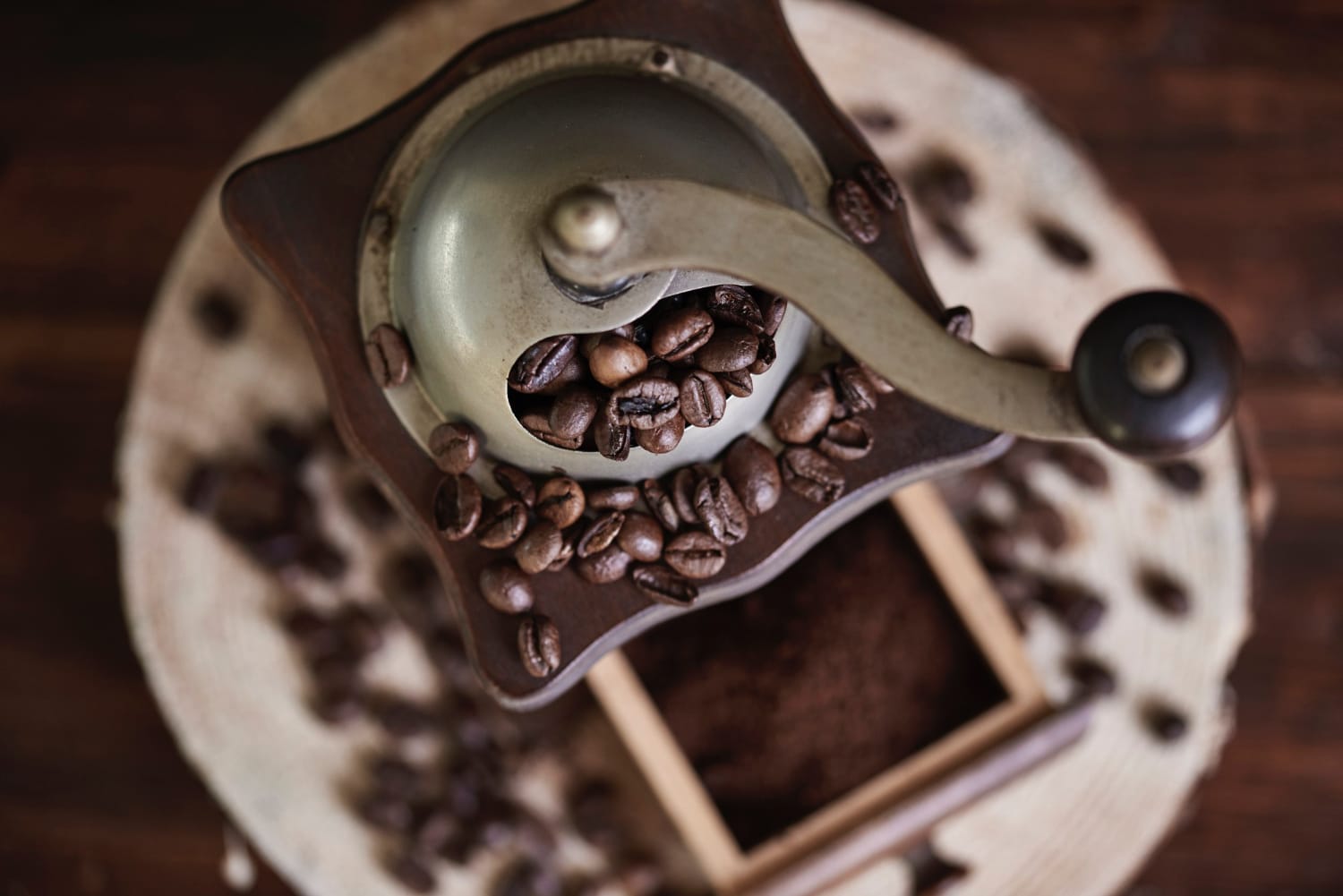
In the 19th century, coffee was prepared slowly, often boiled in water, to the detriment of its aromas. In 1822, the invention of the French percolator changed everything. This system allows hot water to pass through the grounds under pressure, extracting the flavors more finely. Quickly, this method seduced European cafes, particularly in Italy and France.
The first percolators were made of copper or brass, often imposing, heated by fire or steam. Their use required real mastery, but the result — a more concentrated and rich coffee — marked a turning point in the history of the beverage.
The advent of Italian espresso
It is in Italy, at the beginning of the 20th century, that high-pressure extraction takes on its full significance. In 1901, Luigi Bezzera filed a patent for a machine capable of quickly producing an intense coffee: espresso. This term, meaning 'pressed' or 'fast', symbolizes a new philosophy: serving a strong, short, and aromatic coffee in a few seconds.
In the 1930s, Achille Gaggia perfected the system by replacing steam with a mechanical lever, making it possible to obtain the famous crema, this golden foam that has become the emblem of Italian coffee. The bar then becomes a social place where the ritual of espresso is part of everyday life.
The domestic era: coffee comes home
After World War II, the coffee machine left bars for homes. Models are simplified: filter coffee makers, electric percolators, and then the famous Italian Moka coffee makers invented by Alfonso Bialetti in 1933. The latter, easy to use and with iconic design, democratize homemade espresso.
In the 1970s and 1980s, major appliance brands popularized automatic coffee makers. No more technique needed: just add ground coffee and water. Coffee becomes a daily gesture, as simple as it is practical.
The arrival of capsule machines: the simplicity revolution
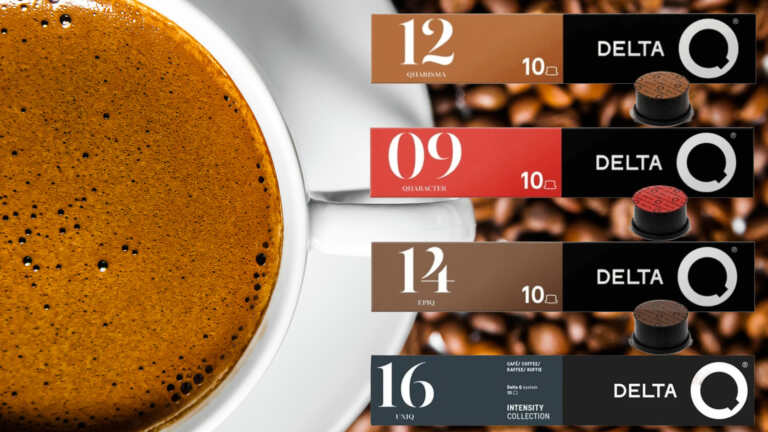
At the end of the 20th century, the coffee industry underwent a new transformation: the invention of capsule machines. Nespresso, a pioneer of the concept, offered a premium and ultra-simple coffee experience from the 1980s onwards. Each capsule contains the perfect dose of coffee, ensuring a consistent extraction without complex adjustments or maintenance.
This model revolutionized the market: coffee became a design product, associated with the image of accessible luxury. The machine was no longer just functional; it became a decorative object. Consumers rediscovered the pleasure of a perfect espresso at home.
Modern machines: technology and precision
Today, coffee machines have never been so powerful. Modern models, whether automatic, percolator or lever, incorporate advanced technologies: integrated grinders, precise temperature control, calibrated pressure, even Bluetooth or Wi-Fi connectivity. The user can adjust each parameter to customize their extraction.
Amateur baristas now benefit from features worthy of professionals: pre-infusion, grind detection, homogeneous water distribution... The goal remains the same as in the 19th century: to extract the best from coffee, but with scientific precision.
Alternative extraction: rediscovering gentle methods
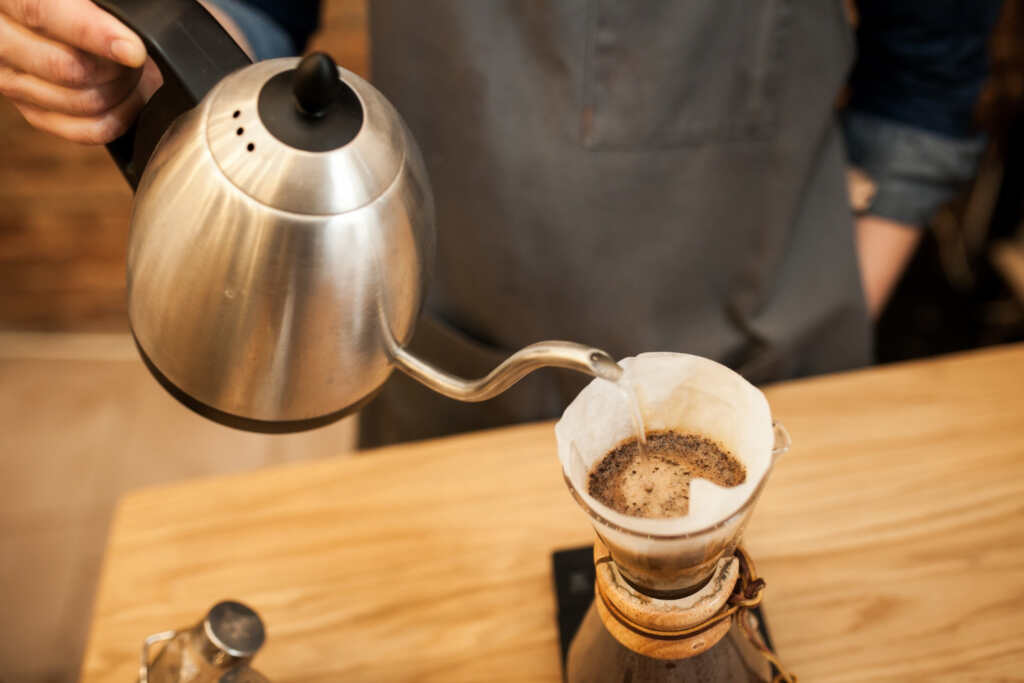
In parallel with this modernization, an artisanal movement has developed: that of “slow coffee”. Methods like Chemex, Aeropress, and V60 bring back the slowness and manual precision. These gentle infusion techniques appeal to coffee lovers seeking subtle flavors and a soothing ritual.
Here, extraction is done without pressure, solely through gravity and control of temperature and water flow. Each cup becomes a sensory experience, far from the automatism of the machine.
The art of extraction today: between tradition and innovation
The evolution of percolators towards modern machines illustrates the duality of the coffee world: between respect for traditions and fascination with technology. Enthusiasts now seek the best of both worlds: authentic flavor, obtained through increasingly precise and connected tools.
The percolator remains the symbol of a passionate craftsmanship, while modern machines embody precision and consistency. Together, they tell the same story: that of an infinite quest for the perfect coffee.
In summary: an art always in motion
From the copper of the first percolators to the electronic circuits of modern machines, two centuries of passion have shaped our way of drinking coffee. Extraction is no longer just a technical gesture: it is an art, a ritual and a sensory experience.
At Cafemalin, this evolution inspires us every day. Behind each cup hides a know-how, a technology and especially an emotion. Because if the machines change, the essence of coffee, it, remains: a moment of shared pleasure.
You will also like this article: The role of Arab caravans in the spread of coffee.