

Nothing is more disappointing than bland coffee, even when it comes from an excellent crop. The quality of coffee depends as much on its roasting as on how it is stored. Beans and ground coffee each need specific precautions to preserve their aromas and freshness. Here are all the practical tips you need to keep your coffee as flavoursome as on the first day.
Why does coffee lose its aroma over time?
Coffee is a living product, sensitive to four major enemies: air, light, heat and moisture.
- Oxygen oxidises the aromatic oils responsible for the richness of flavour.
- Light speeds up this oxidation and alters the colour.
- Heat causes volatile compounds to evaporate.
- Moisture encourages mould and destroys delicate aromas.
Even well-roasted coffee goes stale within a few days if stored poorly. This is why proper storage matters.
Coffee beans or ground coffee: which keeps better?
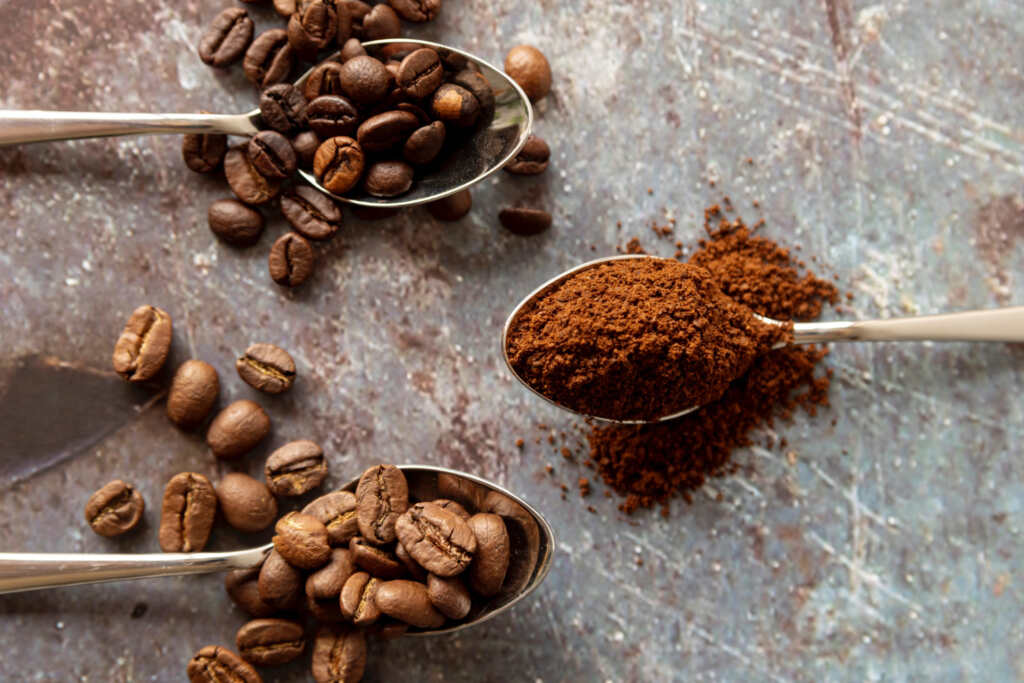
Coffee beans are the clear winner when it comes to storage. Their aromas are protected inside the bean, limiting contact with air. Once the coffee is ground, the surface area exposed to oxygen increases and aromas quickly escape.
- Coffee beans: up to 8 weeks of optimal freshness.
- Ground coffee: only 7 to 10 days after opening.
Grinding coffee just before brewing therefore remains the best way to preserve its flavour.
Choosing the right container to preserve aromas
Packaging plays a crucial role. Coffee must be tightly sealed against air, light and moisture.
Opaque airtight containers
Choose a stainless steel container or one made of tinted glass, with a silicone-sealed or vacuum lid. Avoid transparent containers or containers made of porous plastic.
Bags with a one-way valve
Coffee from roasters such as Cafemalin is often sold in bags with a valve: this valve allows the CO₂ released after roasting to escape while preventing air from entering. If possible, keep the coffee in its original bag, tightly resealed.
Where to store your coffee: ideal temperature and surroundings
Coffee should be stored at room temperature, away from temperature fluctuations.
- Ideal temperature: between 15 °C and 25 °C.
- Recommended location: a dark cupboard or cabinet, away from the oven or fridge.
- Avoid at all costs: windowsills, worktops exposed to sunlight, or any source of heat.
A stable environment protects the aromatic oils and prevents condensation.
Should you store coffee in the fridge or freezer?
It is a question that divides opinion, but here is the truth:
The fridge: best avoided
Coffee absorbs surrounding odours (cheese, onion, etc.) and moisture. The result is coffee that loses its aromatic character.
The freezer: yes, but with the right approach
For long-term storage (more than a month), the freezer can be useful if the coffee is fully protected.
Place the beans in airtight vacuum-sealed bags or divide them into portions in airtight containers. Always thaw at room temperature before opening to avoid condensation.
Common mistakes to avoid
- Leaving coffee in open packaging: air is its worst enemy.
- Using a wet spoon: moisture immediately degrades the aromas.
- Storing coffee near a heat source: heat speeds up ageing.
- Adding new coffee on top of old coffee: this compromises the freshness of the batch.
These mistakes may seem harmless, but they are enough to affect the taste within a few days.
Barista tip: use your coffee at the right pace
Buy sensible quantities. For daily consumption, a 250 g pack is ideal: it ensures you use the coffee quickly, before it has time to go stale.
If you drink several coffees a day, opt for 1 kg of coffee beans and grind them as you go. You will always enjoy fresh coffee while keeping your budget under control.
The role of roasting in storage
Roasting directly affects shelf life.
- Light roast coffee contains more moisture and ages faster.
- Dark roast coffee is drier and more stable over time.
At Cafemalin, our roasting is designed to preserve as much aroma as possible while ensuring optimal stability. Freshly roasted coffee, properly packaged, stays excellent for several weeks.
How can you tell if your coffee is still good?
Coffee past its best is not necessarily unsafe, but it loses all its flavour appeal.
Here are a few signs to look out for:
- A neutral or cardboard-like smell.
- Very little aroma when you open the bag.
- No crema when extracting an espresso.
- A flat, bitter or metallic taste.
If you notice these signs, your coffee has simply lost its essential oils.
A word from Cafemalin: your coffee ritual deserves freshness
At Cafemalin, we believe coffee is an everyday pleasure that deserves care at every stage — from roasting to the cup. Storing your coffee properly helps this sensory experience last longer.
By choosing freshly roasted coffee beans, an airtight container and storage at room temperature, you will preserve all the aromatic richness that makes the difference between an ordinary coffee and a moment to truly savour.
In summary
- Beans > ground coffee: beans retain their aromas better.
- Air, light, heat, moisture: avoid at all costs.
- An airtight container and a dry place: the golden rule.
- Avoid the fridge; freezing is possible with care.
- Small quantities, regular consumption.
Keeping your coffee fresh means enjoying it for longer every morning. With a little care, your coffee will stay as aromatic as it was on the first day — a simple but essential step for anyone who loves good coffee.
Also read: Top 7 hacks to keep your coffee hot for longer in winter