

Coffee, an indispensable beverage worldwide, owes a large part of its spread to Arab caravans that traveled the desert routes for centuries. Long before the rise of maritime trade, these convoys played an essential role in transporting, marketing, and popularizing coffee from East Africa to the heart of the Muslim world. This article explores their influence and the legacy they left in the history of coffee.
The origins of coffee and the emergence of the first caravan routes
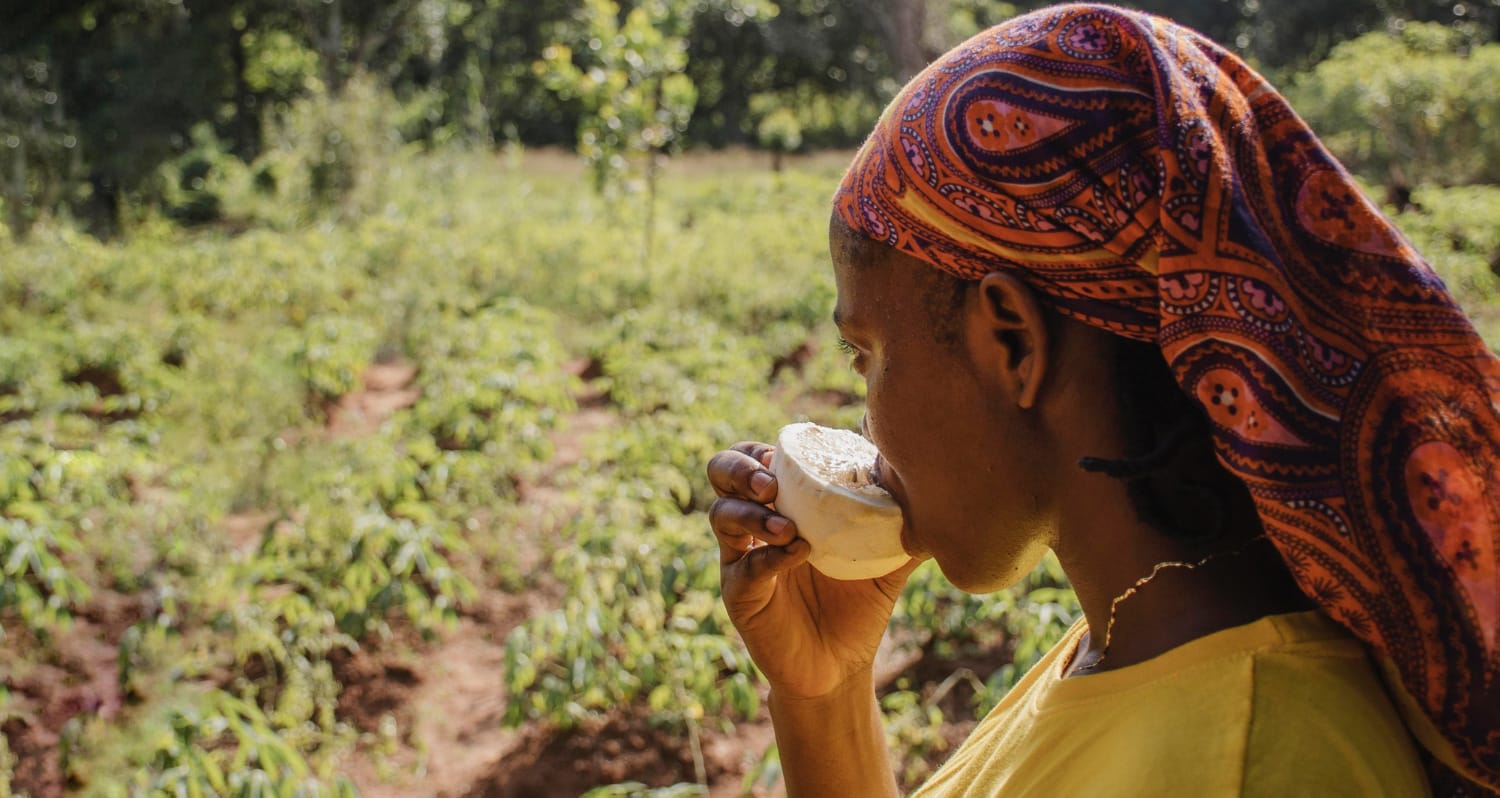
Coffee, as we know it today, has its roots in the highlands of Ethiopia. Long consumed locally in the form of cherries or rudimentary infusions, it remained unknown beyond its region of origin until Arab trade began to structure real distribution routes. From the 10th century, Arab merchants identified the economic interest of this energizing plant and began to organize the transportation of coffee to the Arabian Peninsula. This move marked the starting point of a commercial history that would make coffee a global beverage. Caravans then played a central role: they became the first vectors of a product destined for unprecedented expansion.
The strategic importance of the Arabian Peninsula in the coffee trade
The Arabian Peninsula is a natural crossroads between Africa, Asia, and Europe. Arab merchants quickly understand that coffee can be valued as a rare and prized product, particularly in thriving urban areas such as Mecca, Medina, or Aden. Caravans multiply to transport beans from the Red Sea ports to the major cities of the Middle East. This strategic geographical position allows the Arabs to become the first masters of the coffee trade, controlling the supply and gradually imposing their monopoly. The spread of coffee in the Muslim world thus owes a great deal to the organizational power and logistical know-how of Arab caravans.
The caravans: a mastered organization adapted to long journeys
A caravan is never an improvised convoy. Made up of dozens to several hundred camels, it is led by experienced leaders capable of navigating difficult conditions. Coffee, transported in the form of dried beans, requires rigorous methods to prevent deterioration during the journey. The sacks are tightly tied, protected against moisture, and distributed in a balanced manner on the animals. The rhythm of the caravans is perfectly orchestrated: departure before dawn, regular breaks, precise management of water and food. This logistical efficiency allows coffee to travel thousands of kilometers across deserts, mountain passes, and trade routes. Without this ability to structure journeys of several weeks, even months, coffee would never have been able to expand beyond regional borders.
How caravans shaped the first coffee cultivation centers
By transporting coffee from Ethiopia to Yemen, caravans contribute to the establishment of the first large-scale commercial plantations. The plateaus of Yemen, benefiting from a favorable climate, quickly become the most important coffee-growing region in the Arab world. Caravanserais - resting places for merchants and their animals - facilitate exchanges around coffee and encourage its trade. Around these stopping points, markets, processing workshops, and storage areas appear. Thus, caravans do not just transport a product: they actively participate in the birth of a true coffee economy. It is in these regions that the famous Mocha coffee develops, which will later bear the name of the port of Mocha, a nerve center of maritime coffee trade.
The spread of coffee throughout the Muslim world through caravan routes
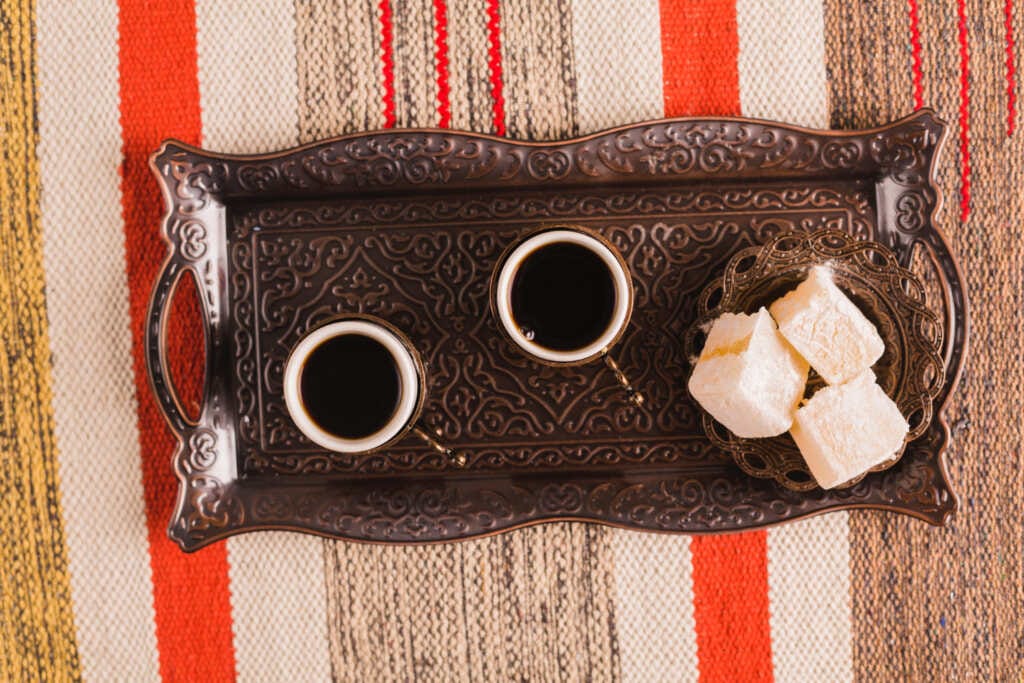
Arab caravans do not just transport goods; they also spread ideas, practices, and cultural habits. Coffee quickly becomes associated with a lifestyle, particularly with the emergence of the first public cafes, or qahwa. These places multiply in the cities crossed by the caravans: Damascus, Cairo, Baghdad, Aleppo. They play a major social, political, and intellectual role, attracting scholars, merchants, and travelers. By connecting these urban centers, the caravans allow coffee to become a symbol of conviviality and cultural exchange. Its consumption spreads far beyond the simple merchant networks, to the point of becoming a daily beverage in many regions of the Muslim world.
The role of caravanserais in securing and regulating the coffee trade
The caravan routes are long and sometimes dangerous: banditry, extreme weather conditions, local conflicts. To guarantee the security of goods, infrastructure is gradually put in place. Caravanserais offer a strategic, protected, and well-supplied refuge where merchants can stop. These places also serve to collect taxes and tolls, contributing to a form of regulation of the coffee trade. Local governance systems ensure the protection of convoys, which strengthens the stability of trade. Thanks to these structures, caravans can function as veritable secure economic networks, promoting the continuity of supply and the quality of coffee traded.
The shift from land trade to maritime routes: a historic turning point
From the 16th century onwards, Europeans began to take a close interest in coffee. The Portuguese, followed by the Dutch, British and French, sought to access supply sources. Faced with this competition, Arab caravans tried to maintain their influence, but maritime routes quickly became faster, safer and more profitable. Arab ports like Moka remained strategic points, but land caravans gradually lost their monopoly. The coffee trade became global and industrialized. This shift marked the end of an era, but also the recognition of the founding role played by Arab caravans in the diffusion of coffee across three continents.
Cultural and symbolic heritage of caravans in the history of coffee
Today, the image of the caravan still pervades the collective imagination associated with coffee. It evokes controlled slowness, the exoticism of desert routes, and the art of traditional commerce. Many stories and traditions refer to this founding era, where the value of coffee lay not only in its taste, but also in its journey. Certain regions continue to perpetuate ceremonies inherited from this period, associating coffee with hospitality, sharing and tradition. The legacy of caravans is still found in historical appellations, roasting practices or in certain stories of modern traders. Their contribution goes beyond simple transport: they transformed a local plant into a global symbol.
In summary: a decisive role in the global expansion of coffee
Arab caravans were much more than simple logistical vectors. They shaped the economy, culture, and symbolism of coffee. By enabling its transportation over long distances, promoting the emergence of cultural centers, and connecting entire regions, they paved the way for the globalization of this indispensable beverage. Although maritime routes and modern exchanges eventually supplanted the caravan routes, their foundational role remains essential. Without them, coffee would probably not have become the universal drink it is today.
Read also: The coffee on the tables of Christmas around the world