

When winter sets in over Central Europe and the cold wraps around the cobblestone streets of Vienna, an unchanging institution continues to offer warmth, comfort, and elegance: the Viennese cafe. More than just a place to drink coffee, the Viennese cafe is a refuge. A timeless space where one warms both body and spirit. To understand this unique culture, one must go back several centuries, where history, legends, and aromas blend.
The Origins of Viennese Coffee
The arrival of coffee in Vienna is often associated with a historical episode that has become almost mythical: the siege of Vienna by the Ottoman Empire in 1683. According to legend, after the defeat of the Ottomans, bags of abandoned coffee beans were discovered. A certain Georg Franz Kolschitzky, who was already familiar with this beverage from the East, is said to have opened one of the first cafes in the city.
Myth or embellished reality, one thing is certain: by the end of the 17th century, coffee had established itself in the Austrian capital. Very quickly, the establishments multiplied and became popular places for all layers of society.
Viennese Coffee, More Than Just a Drink
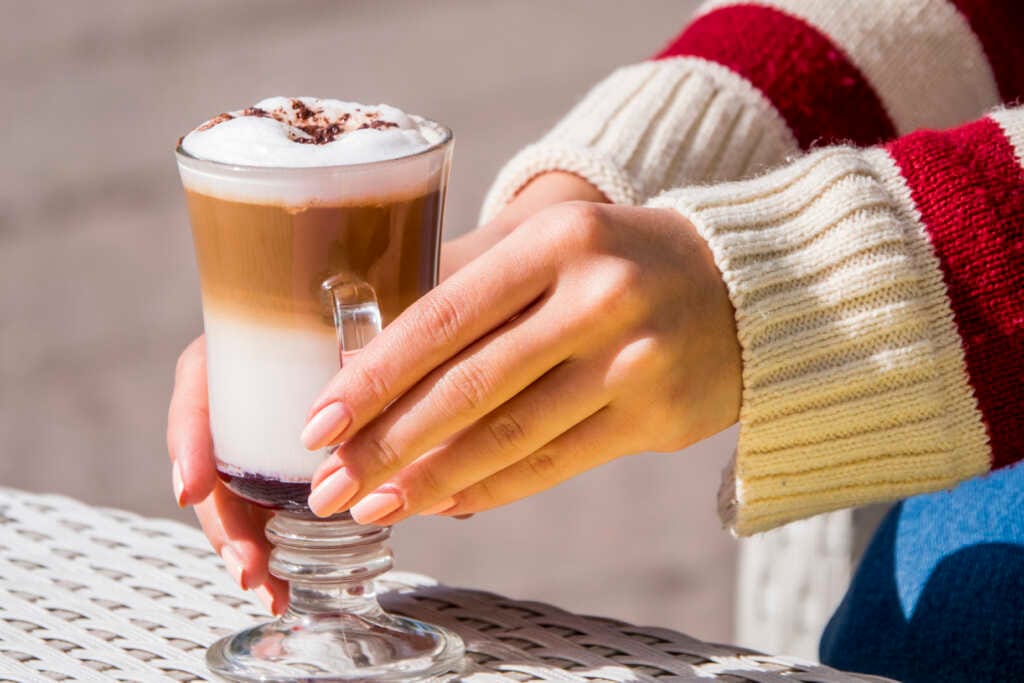
In Vienna, coffee is never just a simple coffee. There is an incredible variety of preparations: the Melange (often compared to cappuccino), the Einspänner served with a thick layer of cream, the Kleiner Schwarzer or also the Verlängerter. Each order corresponds to a tradition, to a ritual almost codified.
But what really distinguishes Viennese cafes is not what's in the cup, it's what's around the cup.
Shelters against the cold... and against the world
Viennese cafes have always been designed as places where you can linger. Velvet sofas, marble tables, Thonet chairs, dim lighting: everything invites you to settle in for a long time, especially when the biting cold reigns outside.
Unlike other cultures where one consumes quickly, in Vienna, it is perfectly accepted - even expected - to stay for hours with just one cup. Read the newspaper, write, observe, reflect. The coffee shop becomes a shelter from the winter, but also from the hustle and bustle of the world.
The central role of newspapers and thought
From the 19th century onwards, Viennese cafes transformed into veritable intellectual salons. Newspaper racks allow customers to browse local and international press. The coffee shop becomes a place of information, debate, and sometimes even protest.
Major figures of European culture have spent countless hours there: Sigmund Freud, Stefan Zweig, Arthur Schnitzler, Gustav Klimt or also Egon Schiele. The coffee is their office, their meeting room, their creative refuge.
When winter is long and dark, these places offer a space where thought remains in motion.
A unique atmosphere, between elegance and melancholy
There is a particular atmosphere in Viennese cafés, often described as a gentle melancholy. Time seems to slow down. The waiters, in black suits and white aprons, embody a reassuring form of permanence. Their service is discreet, almost solemn.
This cozy atmosphere makes perfect sense in winter. The contrast between the cold outside and the warmth inside strengthens the feeling of being in a cocoon. You feel protected, wrapped, as if in a parenthesis out of season.
Coffee as a social institution
In Vienna, coffee is an extension of the home. People receive, work, and meet there. Historically, some apartments were poorly heated, so cafes offered a comfortable alternative during the glacial months. For the price of a coffee, you got access to a warm, bright, and lively room.
This social role explains why Viennese cafés have always been defended as institutions to preserve. In 2011, Viennese coffee culture was even inscribed on UNESCO's intangible cultural heritage.
A tradition that stands the test of time
Despite the upheavals of the 20th century, wars, economic crises and the evolution of consumption patterns, Viennese cafés have managed to survive. Some iconic establishments, such as the Café Central, the Café Sacher or the Café Sperl, continue to welcome local customers and travelers from around the world.
Today, even as take-out coffee and international chains dominate elsewhere, Vienna remains faithful to its art of taking time. Especially in winter, when sitting in a café becomes almost an act of resistance against the cold and haste.
What Viennese cafes inspire in us today
At a time when we are looking more than ever for meaning, human warmth, and moments of pause, the legacy of Viennese cafes resonates strongly. They remind us that coffee is a moment, not just a simple product. A moment of comfort, reflection, and connection.
At Cafemalin, this vision speaks to us deeply: a quality coffee is also an invitation to slow down, savor, and create one's own refuge - even when winter knocks on the door.
In summary: a cup against the cold, yesterday as today
Viennese cafes were born out of a simple need: to warm up. But they have become much more than that. Places of culture, thought, and sharing. Warm refuges where one faces winter with elegance and a steaming cup between one's hands.
And perhaps that is their greatest lesson: sometimes, all it takes is a good coffee, a comfortable armchair, and a little time to make the cold more bearable.
You will also like to read: What did a café look like 300 years ago?