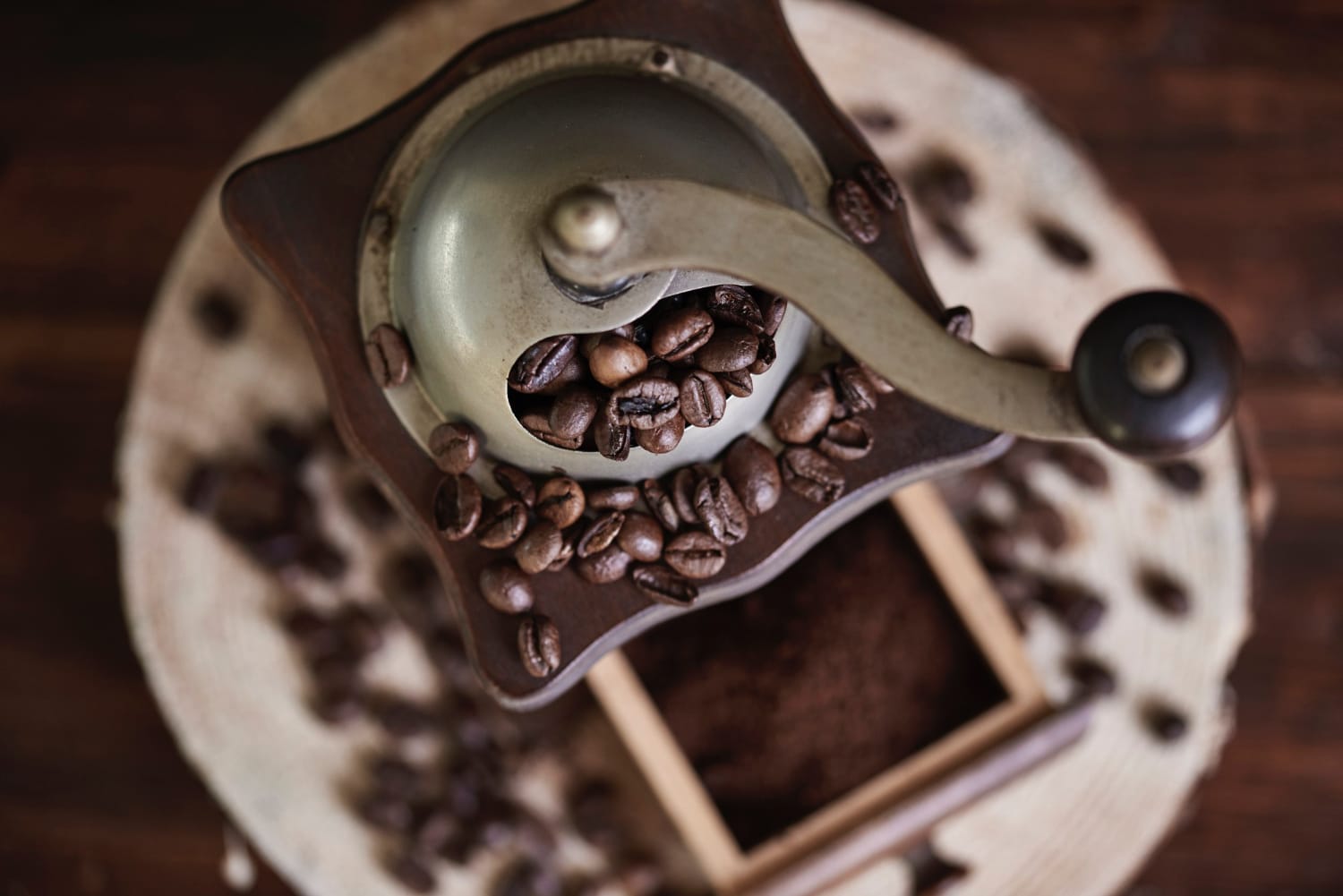
Today, coffee is everywhere. In our kitchens, our offices, our morning rituals, and our social breaks. It's synonymous with energy, pleasure, and sometimes even creativity. Yet, this beverage we consider harmless has long been deemed dangerous, subversive, even diabolical. Throughout history, coffee has been banned, censored, taxed, demonized, and sometimes even linked to political or religious conspiracies.
A look back at a little-known history, made up of scandals, collective fears, and revolutions… around a simple cup of coffee.
A suspicious drink from birth
Coffee appeared in the Middle East around the 15th century, particularly in Ethiopia and Yemen. It quickly spread throughout the Muslim world, where it was consumed to stay awake during long nighttime prayers. But its stimulating effect intrigues.
Unlike alcohol, which is forbidden by Islam, coffee stimulates the mind, encourages discussion, and brings people together. The first coffee houses—called qahveh khaneh —became places for debate, music, and sometimes criticism of the authorities.
And that's precisely where the problems begin.
Mecca, 1511: first official ban
In 1511, in Mecca, Governor Khair Beg officially banned coffee. The reason? He believed that the beverage incited rebellion ,encouraged political conversations, and distracted worshippers from the mosque.
Coffee was then compared to a drug, just like wine. Cafes were closed, and bags of coffee beans were burned publicly. However, the ban did not last long. Faced with popular anger and the lack of clear religious grounds, the Sultan of Cairo annulled the decision.
First observation: coffee is already resisting power.
The Ottoman Empire: cafes closed, customers punished
In the 16th century, coffee invaded Istanbul. Cafes became major meeting places, where people discussed poetry, politics, and society. They were nicknamed 'the schools of the wise'.
But for the Ottoman sultans, these places were dangerous. Under the reign of Murad IV (1623–1640), the repression was brutal. Coffee was banned, cafes were destroyed, and consumers were severely punished. Some sources even mention executions.
Murad IV saw coffee as a catalyst for dissent, capable of uniting the people against authority. Despite this, consumption continued… clandestinely.
Christian Europe: the 'devil's drink'
When coffee arrived in Europe in the 17th century, it did not immediately generate enthusiasm. In Italy, some priests denounced the beverage as coming from Muslim lands, calling it a "drink of Satan ".
Legend has it that Pope Clement VIII, intrigued, tasted coffee before making a decision. Verdict: too good to be left to the infidels. He then allegedly "baptized" coffee, putting an end to the controversy.
True or not, this anecdote clearly illustrates the religious mistrust that surrounded coffee in its early days in Europe.
Coffee and revolutions: a political beverage
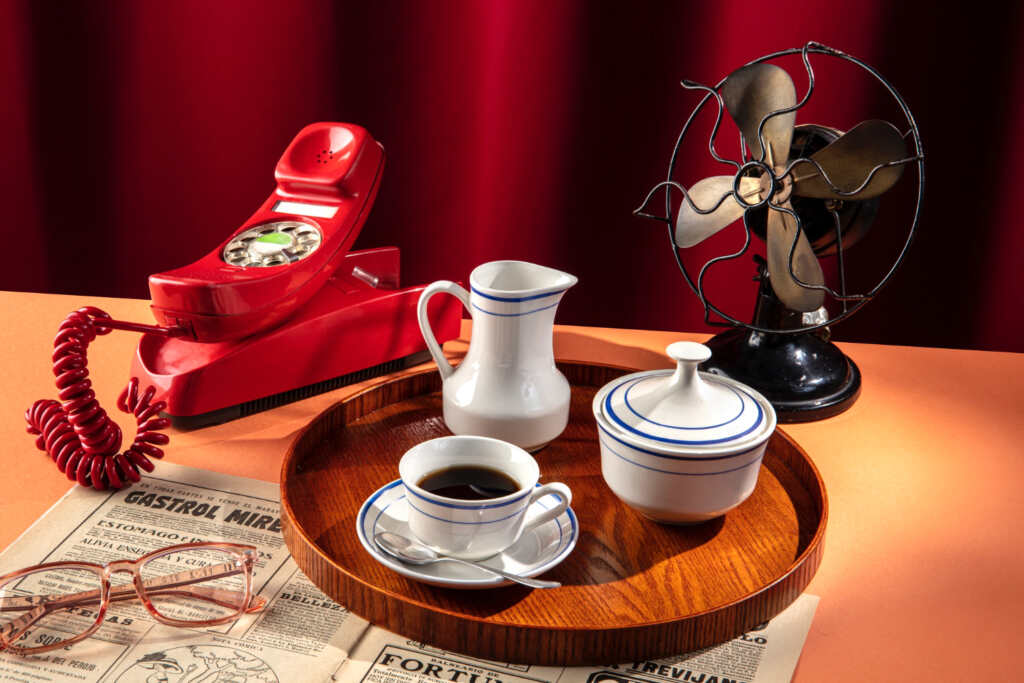
In England, cafes appeared in London around 1650. Very quickly, they became public debate venues, accessible to everyone, regardless of social class. For the price of a cup, you can read newspapers, listen to intellectuals, and debate freely.
They were soon nicknamed "penny colleges".
But King Charles II did not appreciate this freedom. In 1675, he tried to ban cafes, accusing them of fueling plots against the monarchy. Again, the measure sparked outrage and was quickly abandoned.
Coffee is establishing itself as a drink forcritical thinking.
France and the Enlightenment in a cup
In Paris, cafes flourished in the 18th century. The most famous, Café Procope, welcomed Voltaire, Rousseau, Diderot, and many other figures of the Enlightenment. Coffee became the intellectual fuel of a generation that questioned the established order.
It was no coincidence that, a few decades later, the French Revolution broke out. Without saying that coffee was the cause, it is clear that it provided a space for discussion and dissemination of new ideas.
Drinking coffee was a way of thinking differently.
When coffee threatens… the economy
The prohibitions were not always religious or political. In Prussia, in the 18th century, King Frederick II tried to limit coffee consumption for economic reasons. As coffee was imported, it was expensive for the state.
He therefore encouraged beer as a national drink and set up a real coffee police, tasked with tracking down clandestine roasters. In vain. The people continued to drink coffee, sometimes in secret.
Once again, passion won out over constraint.
Why was coffee so frightening?
Through these episodes, a constant emerges. Coffee was not just a drink. It was:
- a stimulant in a world accustomed to alcoholic beverages
- a unifier in hierarchical societies
- conducive to discussions, ideas, and questioning
Unlike alcohol, coffee awakens rather than lulls. And an awakened people has always worried those in power.
From a forbidden drink to a symbol of freedom
Today, coffee is celebrated, ritualized, and sometimes even sacralized. But its history reminds us that it was long perceived as a danger. Every cup we drink carries with it a legacy of debates, struggles, and freedom of expression.
At Cafemalin, we like to remember that coffee is not just a product. It's a drink rich in history, culture, and meaning. A companion to free spirits, creatives, thinkers... and to all those who like to take the time to reflect, cup in hand.
The next time you enjoy your coffee, think about this:
you might be drinking one of the most revolutionary beverages in history. ☕
You may also like to read:
The history of Viennese cafes: warm refuges against the cold