
Coffee is much more than just a drink. All around the world, it embodies rich traditions, social and cultural rituals that bring people together. As we travel through different countries, let's discover together how this iconic beverage is prepared, consumed, and celebrated in four regions of the world: Turkey, Ethiopia, the Middle East with cardamom coffee, and finally Vietnam.
Turkish Coffee: Heritage and Hospitality
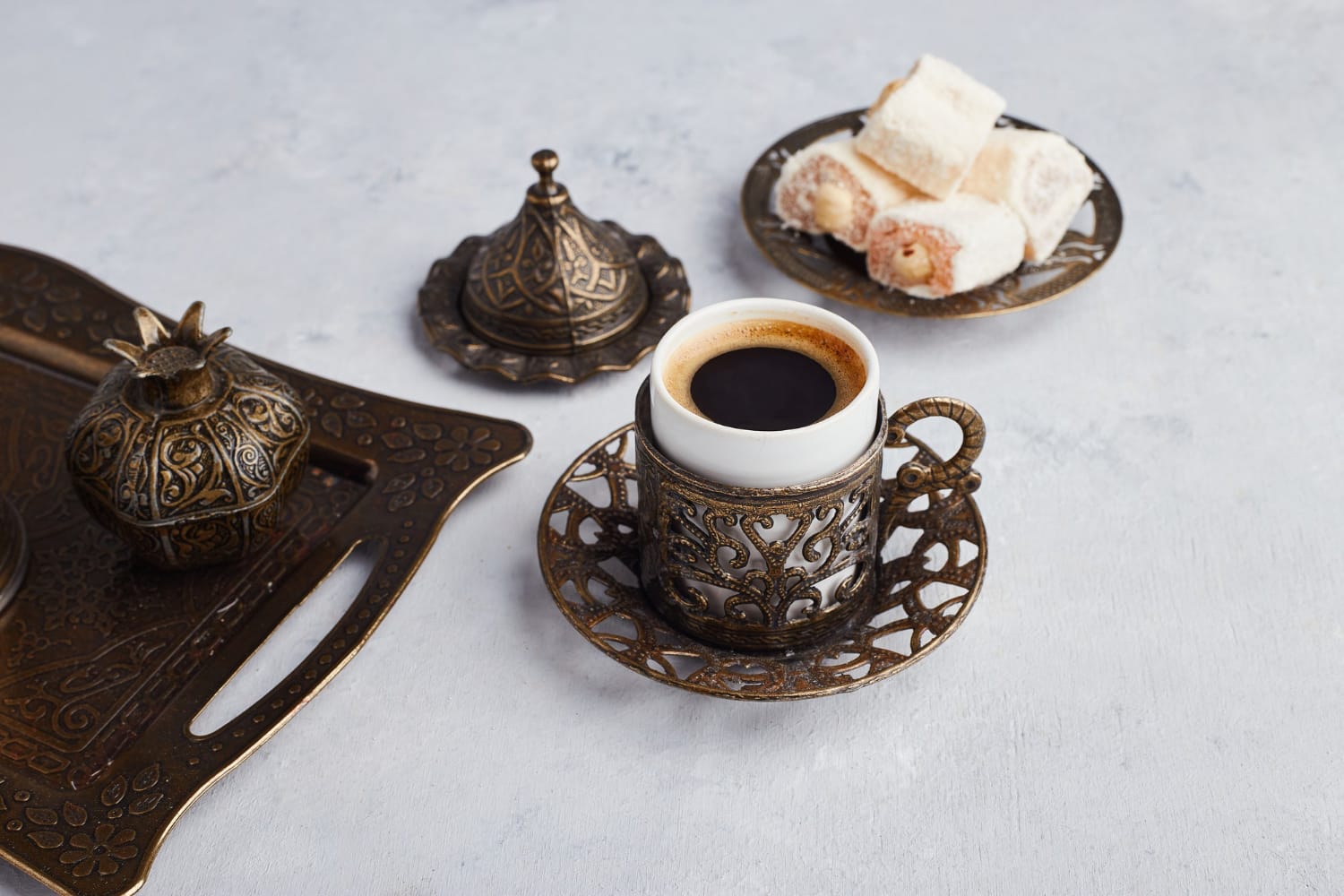
Turkish coffee, inscribed since 2013 on UNESCO's Intangible Cultural Heritage List, is much more than just a drink in Turkey. Its preparation requires patience, precision, and respect for a precise ritual. The very finely ground beans are mixed with cold water and sugar in a small saucepan called a 'cezve' or 'ibrik'. The mixture is heated slowly until it boils, taking care to form a characteristic foam on the surface. This coffee is served in tiny cups, usually accompanied by sweets like Turkish delight.
Drinking Turkish coffee is a strong social experience. Families and friends gather to share this convivial moment where conversations flow freely. Turkish coffee is also used to read the future, by reading the grounds left at the bottom of the cups after tasting, a ritual still practiced today out of curiosity or tradition.
Ethiopian Coffee: A Sacred Ceremony
In Ethiopia, the original cradle of coffee, this drink is deeply rooted in daily traditions. The Ethiopian coffee ceremony, called 'buna', is an essential act of hospitality and friendship. The preparation of coffee is entirely manual, generally carried out by a woman dressed in traditional clothing. Green beans are roasted in front of the guests, producing a fragrant smoke that fills the space. These roasted beans are then ground in a mortar and placed in a jebena (traditional coffee pot) with boiling water.
This ceremony can last several hours and consists of three successive servings, each with a name: 'abol', 'tona', and 'bereka'. Each round of coffee symbolizes a particular blessing. Accompanied by roasted corn, popcorn, or traditional biscuits, this ritual is a moment of community sharing where participants discuss, debate, and forge strong social bonds.
Cardamom Coffee in the Middle East: An Invitation to Conviviality
In the Middle East, particularly in Saudi Arabia, the United Arab Emirates or Jordan, cardamom coffee (« gahwa ») is iconic. This light, slightly green coffee is prepared with slightly roasted beans, coarsely ground, mixed with spices, mainly cardamom but sometimes also saffron or cloves. The preparation is done in a coffeepot called « dallah », recognizable by its elegant and elongated shape.
This coffee is traditionally enjoyed without sugar, in small cups called 'finjan', often accompanied by dates to soften the natural bitterness. Serving coffee, done by the host, is a highly respected gesture of welcome: it must be done with the right hand, and refusing the offered cup is considered impolite. This coffee symbolizes hospitality, generosity, and is a sign of respect towards guests. Many social rituals, such as negotiations or family agreements, begin with sharing a cup of gahwa.
Vietnamese Coffee: A Savory Moment of Pause
Vietnamese coffee (« cà phê ») has a unique identity, marked by a slow preparation and a particularly sweet flavor thanks to sweetened condensed milk. Introduced by the French in the 19th century, Vietnam has developed a unique coffee culture, adapting this drink to its tastes and traditions. The traditional preparation uses an individual metal filter (« phin »), placed directly on a cup containing sweetened condensed milk. The coffee, often very strong robusta, flows slowly drop by drop, giving rise to a contemplative pause.
Vietnamese coffee can be enjoyed hot (« cà phê sữa nóng ») or iced (« cà phê sữa đá »). In bustling cities like Hanoi or Ho Chi Minh City, it's common to see locals sitting in street-side cafes, slowly savoring their drink while observing daily life. This individual or collective ritual offers a precious moment of relaxation in the hectic pace of urban life.

A Diversity that Unites
These four coffee rituals, although stemming from very different cultures, show a common essential trait: conviviality. Whether it's Turkish, Ethiopian, cardamom or Vietnamese, coffee goes far beyond its role as a stimulating drink. It is a powerful means of creating social bonds, strengthening cultural identity and welcoming others in a privileged moment of exchange and sharing.
Exploring these rituals allows us to appreciate how point a simple cup of coffee can reflect the cultural, historical and social richness of a region. These traditions, deeply rooted and passed down from generation to generation, continue to fascinate and invite everyone to celebrate cultural diversity around this universal drink.
You will also like to read: 5 tips to improve the taste of your coffee without a high-end machine