
Many believe that to enjoy exceptional coffee, you must invest in high-end equipment costing several hundred euros. However, that's not always the case! With a few simple and accessible tips, you can transform your daily cup into a true sensory experience. Whether you use a drip coffee maker, a French press, an Italian coffee maker, or even simple capsules, there are concrete ways to improve the taste of your coffee without sophisticated equipment.
In this article, we will explore 5 practical tips that will make all the différence in your cup, while remaining easy à apply at home.
Choose high-quality beans and grind them yourself
The first secret to a good coffee lies in... the coffee itself. This may seem obvious, but the quality of the beans is much more important than the machine used.
Why is the bean so crucial?
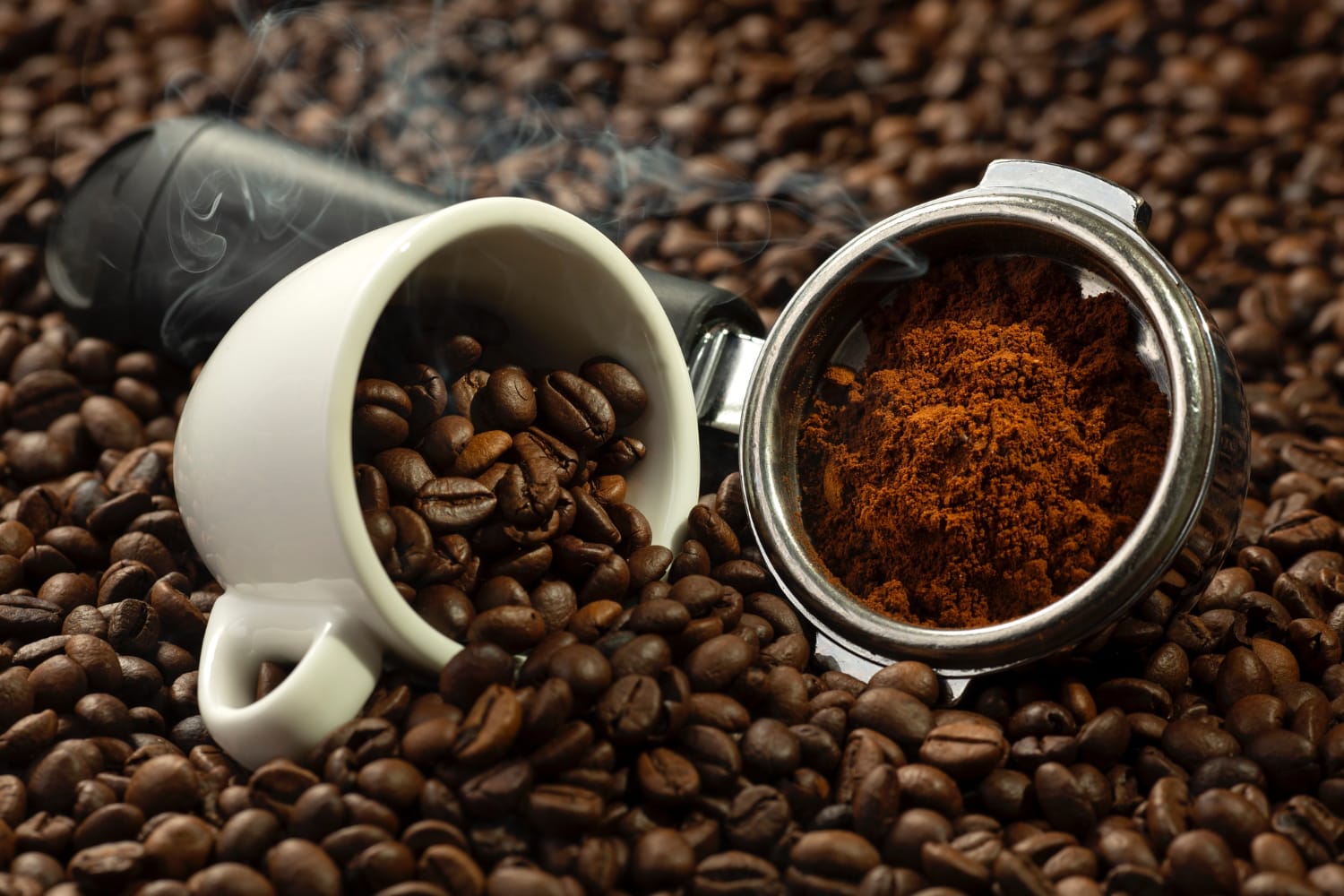
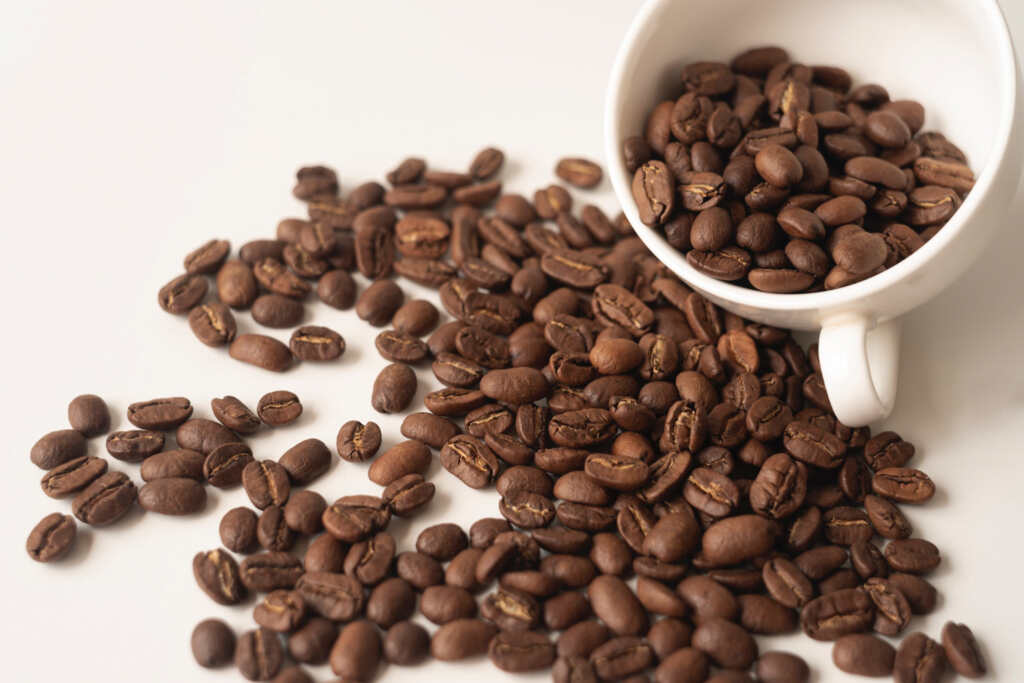
Coffee is a living product, which quickly loses its aromas after roasting. Industrial coffees, sold already ground in large quantities, are often oxidized, flat, and lacking in nuances. Conversely, freshly roasted whole-bean coffee retains all its aromatic subtleties (fruity, chocolatey, floral notes, etc.).
Home grinding: the key to flavor
Grinding your coffee just before preparing it releases the flavors at the last moment. Even with a small manual or electric entry-level grinder, the difference is striking. You can also adjust the grind size according to your extraction method: fine for espresso or Italian moka, coarser for French press.
👉 Bonus tip: store your beans in an opaque airtight container, away from heat and humidity, to preserve their freshness.
Mastering water quality
A coffee is 98%... water. This shows how much the quality of the water plays a fundamental role in the final taste of your drink.
Tap water or filtered water?
Tap water often contains chlorine, lime and other minerals that alter the taste of coffee. Water that is too hard (rich in lime) will give a bitter and heavy coffee, while water that is too soft will lack body.
The simple solution
Using a filter jug or low-mineral bottled water (such as Volvic or Mont Roucous) is an excellent alternative to obtain balanced water. The result in the cup is immediately rounder, smoother and much more pleasant.
👉 Little test: prepare two identical cups, one with tap water and the other with filtered water. You will be surprised to see how much the taste changes.
Respect the right coffee-to-water proportions
Even with good beans and quality water, a bad dosage can ruin your coffee. Too much coffee will give a bitter and astringent drink, while a too light dosage will produce a bland and watery cup.
The golden rule
We generally recommend between 7 and 10 grams of coffee for 100 ml of water, about a level tablespoon. This corresponds à :
- 15 g for a 150 ml cup
- 30 g for a 300 ml mug
Of course, these proportions can vary according to your personal taste and the extraction method, but they constitute an excellent starting point.
👉 Practical tip: if you don't have a scale, invest in a small measuring spoon dedicated to coffee. This will prevent you from dosing "randomly" every morning.
Care for the temperature and brewing time
Preparing coffee is a true alchemy, where temperature and brewing time play a decisive role.
The right temperature
The water should never être boiling. Poured ée à 100 °C, it burns the coffee and accentuates the ’bitterness. The ’ideal is a temperature between 90 and 96 °C. If you don’have a thermometer, simply let the water boil then wait 30 seconds before pouring.
Brewing time
Each method has its optimal time:
- Drip coffee maker: 4 to 5 minutes
- French Press: about 4 minutes
- Italian Moka: just a few minutes, the time it takes for the water to pass through the grind
- Manual methods like V60: between 2 and 4 minutes
Too short = under-extracted coffee (sour, bland). Too long = over-extracted coffee (bitter, astringent).
👉 Tip: respect these times and adjust them to your taste, but avoid leaving your coffee to 'linger' in its filter or coffee maker, as it continues to infuse and becomes undrinkable.
Clean your equipment regularly
We rarely think about it, but the taste of your coffee can be altered by... your coffee maker itself.
Invisible deposits
With each preparation, coffee oils and particles accumulate in the pipes, filter, or carafe. Over time, these residues turn rancid and release an unpleasant bitterness.
The importance of cleaning
A simple rinse with clear water is not enough. Make sure to wash your coffee maker (or machine) regularly with hot water and a little mild soap, then rinse thoroughly. For Italian coffee makers, disassemble each part and dry them carefully.
👉 Once a month, perform a descale with white vinegar (or specific product) to remove limescale and extend the life of your device.
In summary: quality coffee, without breaking the bank
Improving the taste of your coffee doesn't always require a costly investment in a top-of-the-line machine. With a few simple gestures - choosing quality beans, taking care of the water, respecting the proportions, controlling the infusion, and maintaining your equipment - you can sublimate your daily coffee and rediscover its full aromatic potential.
Ultimately, it's often the combination of small details that transforms an ordinary cup into an exceptional experience. Try these 5 tips tomorrow morning, and you'll see that your coffee will already have a completely different flavor.
You will also également read: Grind larger in autumn ? Réglages anti-bitterness
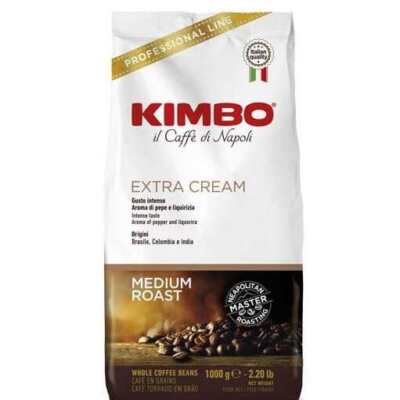
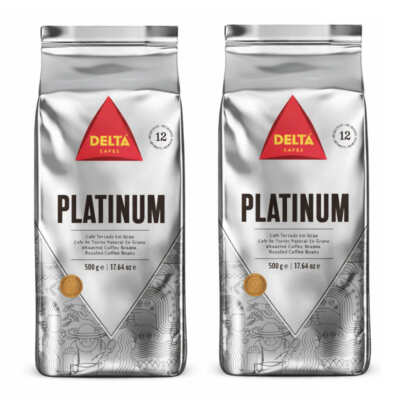
Our selection of whole bean coffees: