

Coffee is not just a drink that helps us start the day or share a convivial moment. It's also a true cultural institution, rooted in the history and traditions of many countries. Each region of the world has developed a unique way of preparing, serving, and savoring coffee. These rituals reflect the identity, spirituality, and conviviality of the people who practice them. Let's explore together the great coffee ceremonies around the world: from Ethiopia, the cradle of this nectar, to Ottoman Turkey, through modern Italy, and Japan's refinement.
Ethiopia: cradle and spiritual celebration of coffee
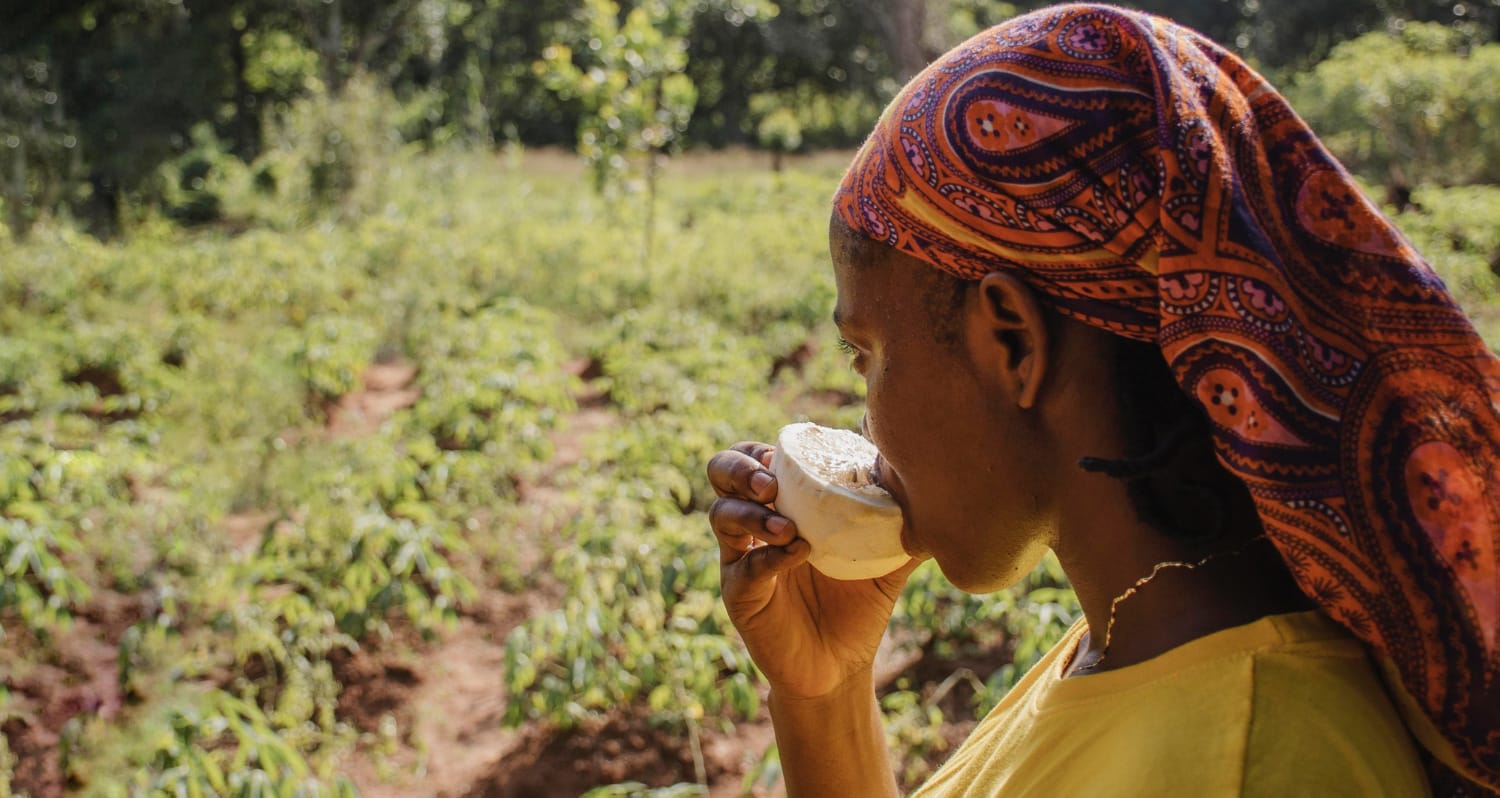
Ethiopia is considered the cradle of coffee. According to legend, a shepherd named Kaldi discovered the energizing virtues of the beans after observing his goats becoming overexcited from eating coffee berries. But beyond the myth, coffee culture in Ethiopia is deeply linked to social and spiritual life.
The Ethiopian coffee ceremony is a ritual that often lasts several hours. The green beans are roasted in front of the guests, releasing an enchanting aroma that fills the room. Next, the beans are pounded in a mortar and brewed in a traditional coffee pot called a jebena. The beverage is served in three successive stages, symbolizing life, love, and blessing, respectively. Refusing a cup is considered impolite. This ceremony is as much a moment of meditation as it is a social act, strengthening family and community bonds.
Turkey: an Ottoman heritage classified by UNESCO
Turkish coffee is renowned worldwide for its dense texture and full-bodied taste. Introduced to Istanbul in the 16th century, it quickly became an institution, giving rise to the famous Ottoman coffee houses, true meeting places and hubs of intellectual exchange.
The coffee is prepared in a small copper pot called a cezve. Very finely ground coffee is mixed with water and sugar, then gently heated until a thick froth forms, without ever being brought to a full boil. The brew is served in small cups without filtering, leaving grounds that are sometimes used for fortune-telling, a practice known as tasseomancy.
In 2013, UNESCO inscribed Turkish coffee on the intangible cultural heritage of humanity list. This ritual is associated with hospitality, friendship, and the transmission of ancestral know-how.
Italy: the art of espresso and la dolce vita
If there is one country that has elevated coffee to the level of an everyday art, it is Italy. Here, coffee is a matter of lifestyle, and each moment of the day has its own drink: espresso at the counter in the morning, a cappuccino at breakfast (but never after lunch), or a macchiato in the mid-afternoon.
The Italian ritual revolves aroundespresso, this intense concentrate obtained using a high-pressure machine invented in Turin at the beginning of the 20th century. Drinking coffee in Italy is not just a matter of taste, but also a social act. Coffee bars are vibrant places where people chat, debate, and laugh in just a few minutes, standing at the counter.
Italian coffee embodies la dolce vita : intensely savoring the present moment, even if it's just for the time it takes to drink a small shot of black coffee.
Japan: refinement and Western influence
In Japan, tea has long dominated the culture of hot beverages. However, since the 19th century, coffee has found a growing place, particularly with the opening of the country to the West. Japan has developed a unique approach, combining traditional refinement and modern innovation.
Kissaten ,one often savors a filter coffee slowly prepared with meticulous attention to detail. Japan is also a pioneer in the art of slow coffee and gentle extraction methods, such as pour-over and siphon coffee. These techniques emphasize precision, the purity of flavors, and the aesthetics of the brewing process.
Today, Japan is also the land of canned coffee, available in every vending machine. This contrast perfectly illustrates Japan's duality: respect for tradition and a fascination with modernity.
Other fascinating rituals around the world
Arabic coffee: hospitality and generosity
In the Arabian Peninsula, particularly in Saudi Arabia and the United Arab Emirates, coffee is served flavored with cardamom in small, handleless cups called finjans. It accompanies dates and symbolizes hospitality and respect for guests. The coffee is prepared in a long brass pot called a dallah, which has become a cultural emblem of the region.
Sweden: fika, a moment of conviviality
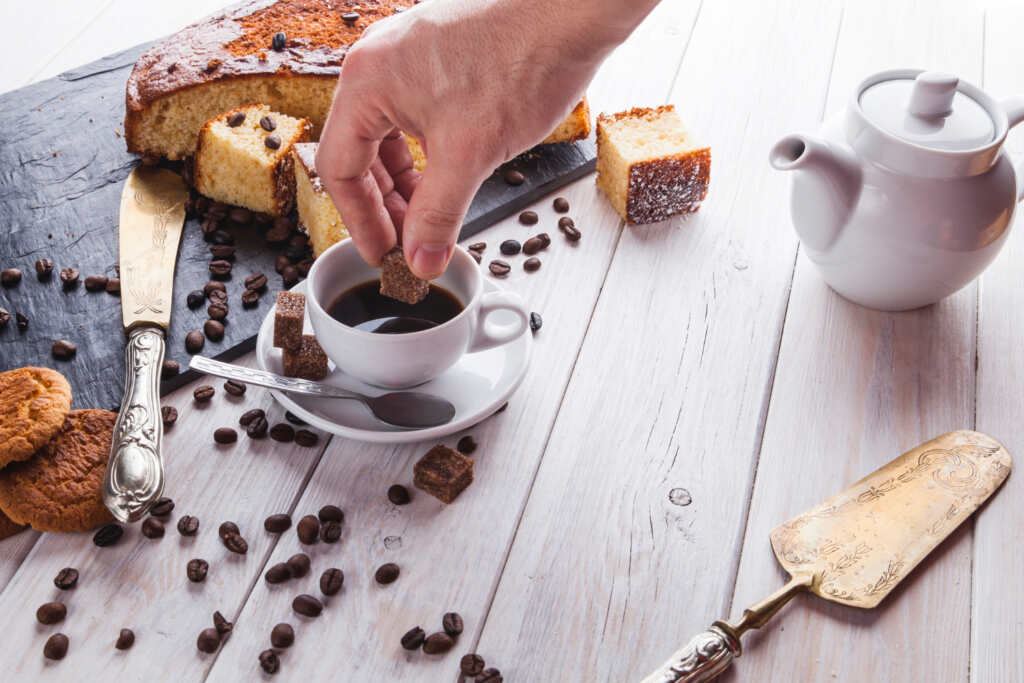
In Sweden, coffee isn't a formal ceremony, but an essential social ritual: fika. It's a coffee break accompanied by pastries, shared among colleagues, friends, or family. It's a moment of relaxation, conversation, and conviviality that structures the day.
Latin America: coffee at the heart of daily life
In Brazil, Colombia, and Mexico, coffee is an integral part of daily life. The cafézinho is offered at any time of day as a welcome. In Colombia, filter coffee is served sweet and light, accompanying everyday life more than constituting a ceremony. Yet, in these coffee-producing regions, coffee remains deeply connected to identity and national pride.
The universal values carried by coffee
Despite the diversity of practices, a common thread links all these ceremonies: coffee is a vector of social connection. Whether it be Ethiopian spirituality, Turkish conviviality, Italian vitality or Japanese refinement, coffee transcends its role as a simple stimulating beverage.
It embodies hospitality,sharing , andcultural identity. In every cup, you'll find a piece of history, know-how, and values passed down through generations. Coffee is thus both an intangible heritage and a universal experience that brings people together.
In summary: a journey that continues in our cups
Exploring coffee ceremonies around the world is like traveling without leaving your cup. Ethiopia reminds us of the spiritual roots of coffee, Turkey immerses us in Ottoman hospitality, Italy celebrates the intensity of the moment, and Japan reveals the harmony between tradition and modernity. Other countries add their touch, creating a cultural mosaic as rich as it is fragrant.
The next time you taste a coffee, think of these distant traditions that still resonate in every sip. Coffee, much more than just a drink, is a universal language that tells the story of people and unites cultures.
You might also like to read: From yesterday's percolators to modern machines