
The origins of Lavazza (1895)
In 1895, in Turin, Luigi Lavazza opened a small grocery store called Drogheria Lavazza. He quickly developed a passion for coffee and became interested in its different origins. He experimented with the art of blending, an innovative practice at the time that involved mixing beans from various origins to obtain harmonious and consistent flavors. This ability to create unique blends became Lavazza's hallmark and the foundation of his future success. In late 19th-century Italy, where coffee was still a luxury reserved for an elite, Luigi Lavazza succeeded in democratizing the consumption of quality coffee for a wider clientele.
Structuring as a family business (1927–1950)
Faced with growing business, Lavazza transformed from a simple shop into a true enterprise. In 1927, Luigi Lavazza founded Luigi Lavazza SpA, a family company in which his children actively participated. During the difficult interwar years, and despite the scarcity of raw materials during World War II, the family managed to maintain its operations. This period forged Lavazza's identity, built on perseverance, a passion for the product, and unwavering commitment to the highest quality standards. This resilience laid the foundation for its future expansion, within an Italian context where coffee culture remained deeply rooted in daily life.
Industrialization and product innovation (1950–1970)
From the 1950s, Lavazza entered the era of industrial production. The company modernized its facilities while preserving its artisanal expertise. The inauguration of the large Settimo Torinese in 1957 marked a turning point, enabling a massive increase in production capacity. Two years later, in 1959, Lavazza innovated by launching vacuum-packed ground coffee, a revolution in coffee preservation. This new packaging method guaranteed the freshness and quality of the product over the long term, thus meeting the needs of a rapidly changing Italian society, increasingly drawn to convenience without compromising on quality.
Establishing a national brand and opening up to the international market (1970–1990)
During the 1970s and 1980s, Lavazza solidified its leading position in the Italian market. Its flagship products, such as Qualità Rossa and Qualità Oro, became essential in Italian homes. Simultaneously, the brand began exporting beyond Italy, initiating a phase of internationalization that would intensify in the following years. Lavazza's advertising campaigns, often creative and memorable, helped establish the brand's image as synonymous with conviviality, pleasure, and Italian tradition. Lavazza thus became a national icon, while simultaneously preparing its entry into European and global markets.

Diversification and societal commitment (1990–2010)
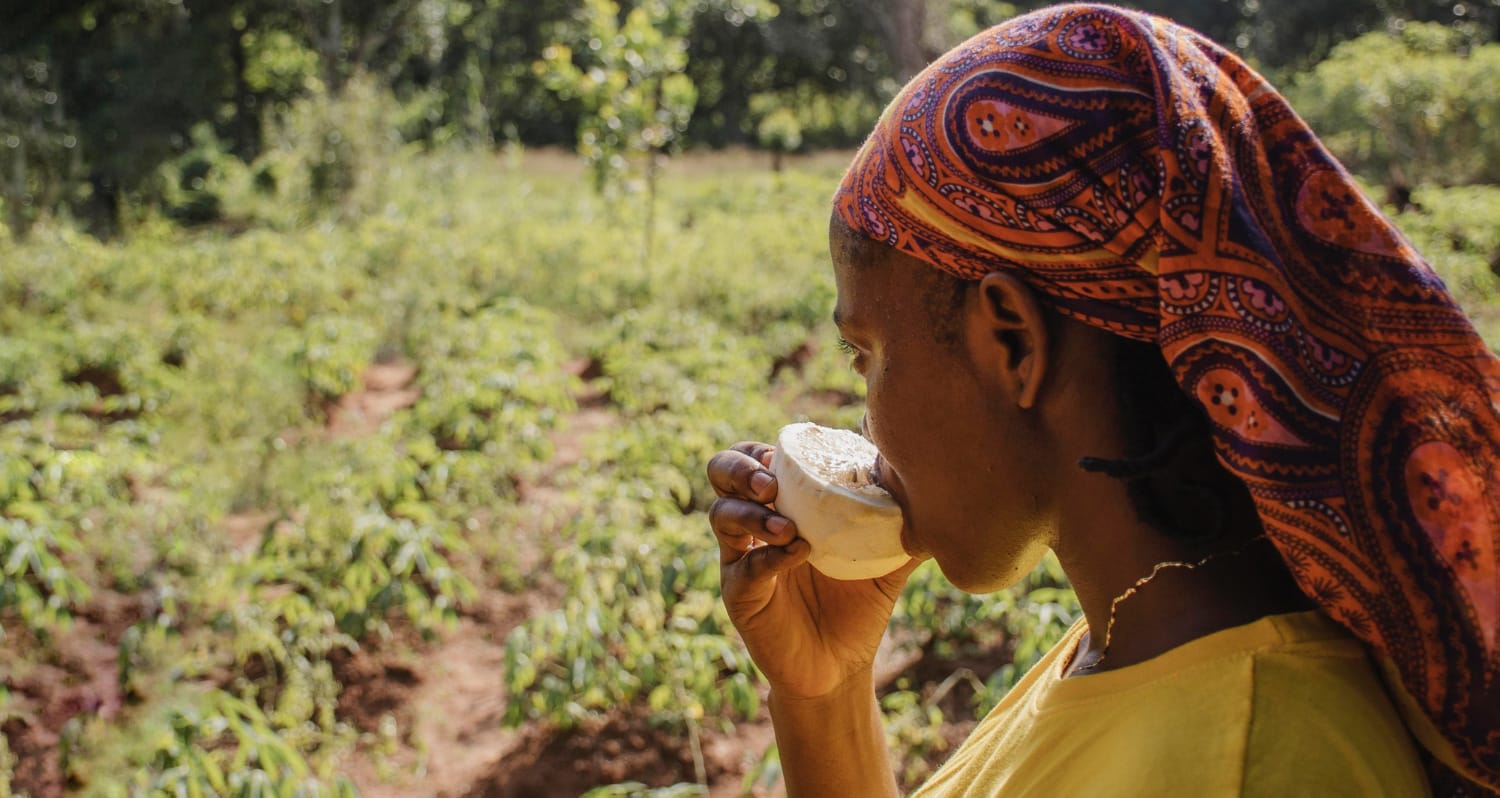
In response to evolving consumer habits, Lavazza innovated in the 1990s by launching its first capsule coffee systems , notably Lavazza Blue and later A Modo Mio , anticipating the explosion in popularity of capsule machines. Simultaneously, mindful of its social responsibility, Lavazza established the Fondazione Lavazza in 1993 , which supports sustainable development projects in coffee-producing countries. The company also focused on more artistic and cultural communication, collaborating with prestigious brands for its renowned photographic calendars. This period reinforced Lavazza's image as a brand that is innovative, responsible, and deeply rooted in its heritage.
International expansion and environmental strategy (2010–present)
Since the 2010s, Lavazza has pursued an aggressive expansion strategy, acquiring several companies internationally: Carte Noire in France, Merrild in Denmark, Kicking Horse Coffee in Canada, and even the coffee business of Mars Drinks. This strategy has allowed Lavazza to solidify its position among the world's leading coffee roasters. At the same time, Lavazza is strongly committed to the environment, with ambitious programs aimed at achieving carbon neutrality and promoting more sustainable agriculture. The brand invests in organic coffees, supports social projects for farmers, and develops recycling initiatives for its capsule systems.
Lavazza today: a family and global company
Today, Lavazza is present in over 90 countries, employing thousands of people and generating annual revenue of several billion euros. Led by the fourth generation of the Lavazza family, the company remains true to the values instilled by Luigi: a passion for coffee, continuous innovation, and respect for producers and the environment. Lavazza symbolizes Italian excellence, combining centuries-old traditions and modern innovations to offer the world an unparalleled coffee experience.
See also: Why choose Delta Gold 1kg coffee beans?